The Potomac is the Most Endangered River in America
By: Maggie Dombroski, Mid-Atlantic Save Our Streams Coordinator
Each year since 1984, American Rivers, a nationwide organization working to protect and restore the rivers on which we all depend, puts out a report on America’s Most Endangered Rivers. For 2026, the report declares that the most endangered river in the country is the Potomac.
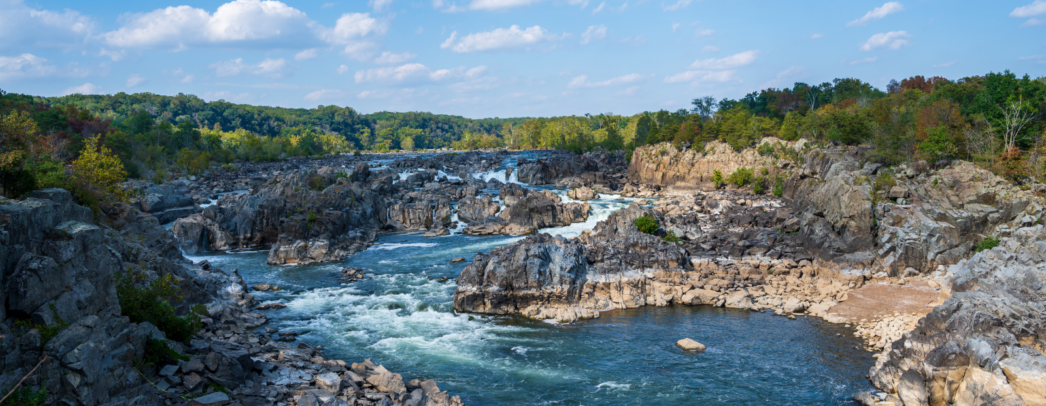
The Potomac River Basin spans 14,670 square miles across Maryland, Virginia, West Virginia, Pennsylvania and Washington D.C. before emptying into the Chesapeake Bay. More than six million people call the Basin home, about five million of which depend upon the River as their sole source of drinking water. Plus, the Potomac supports trout, oyster, blue crab and striped bass fisheries and is a beloved recreational resource.
Problems: Aging Infrastructure, Data Center Demand
Despite the economic and cultural significance of the Potomac River, it faces serious threats. In early 2026, a ruptured wastewater pipe sent over 200 million gallons of raw sewage into the Potomac and the C&O Canal. Although the spill was fortunately downstream of the main drinking water intake, concern and uncertainty remains about what the long-term impacts to public and ecological health might be.
Further, this spill event is a symptom of a larger problem that poses an ongoing threat. Much of the wastewater infrastructure around D.C. has surpassed its expected lifespan; the pipe that failed is part of the Potomac Interceptor, designed to last 50 years, but currently exceeding 60. Betsy Nicholas, president of Potomac Riverkeeper Network, says, “Aging pipes are breaking, and without real investment and oversight, including federal and state investment, it will happen again.”
Another rapidly expanding threat to the Potomac is the unprecedented scale and pace of data center development in the region. 70 percent of all global internet traffic is processed through Northern Virginia’s more than 300 data centers—a number which is on track to increase to about 1,000. All those data centers require a lot of water for cooling and energy production—and between population growth, climate change and pollution, the Potomac does not have a lot of water to spare. This is especially a concern in the summer months, when more water is needed for cooling at a time when the water supply is already taxed by increased demand from consumers and low water levels.
Solutions: Monitoring, Infrastructure Funding, Planning
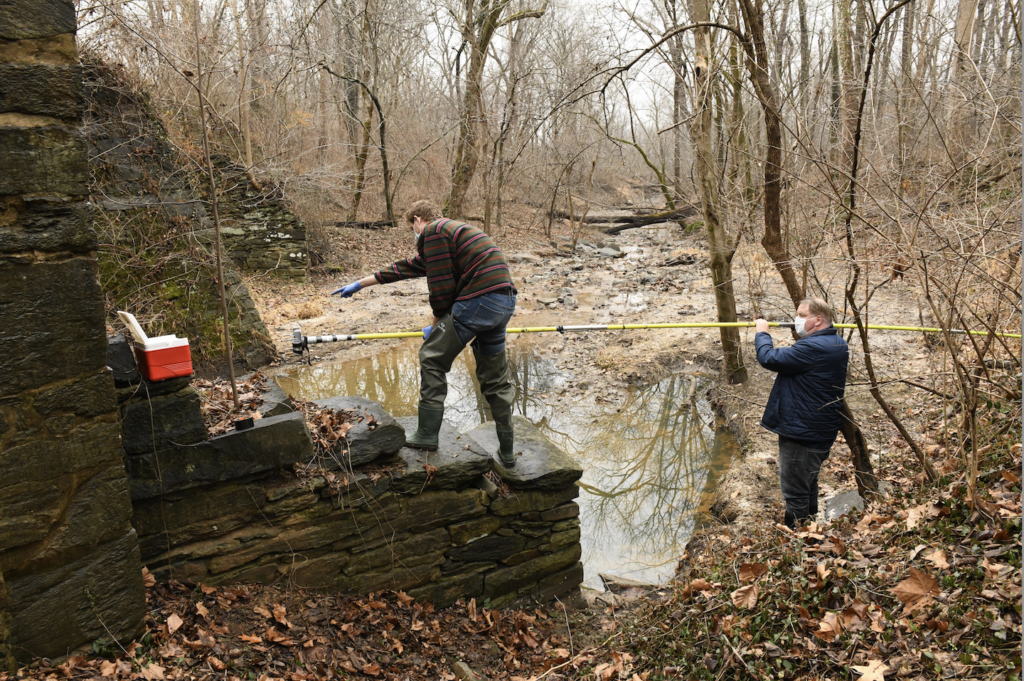
In light of these threats, volunteer water quality monitoring is more important than ever. Nicholas says, “We are aware that, although now the scientific data show that E. coli contamination is diminishing at and near the site, it is still high elsewhere and thus residents should examine the public data to determine when and where contact is safe. We wish that D.C. authorities would conduct testing at more sites further down the river as a means to restore the lost trust.” If authorities don’t have the capacity or will to conduct water quality monitoring, volunteers and nonprofit organizations must step up to fill the gaps. While the Izaak Walton League’s monitoring programs don’t include E.coli monitoring, our volunteers serve as a crucial early detection system for pollution problems in waterways across the country.
We also need action in the state and federal legislatures. Water infrastructure funding must be prioritized so repairs and upgrades can be completed in a timely manner. Otherwise, there will be more failed pipes and more sewage spills in the future. In particular, the State Revolving Fund bill – which is the primary source of federal water infrastructure funding -and the Sewer Overflow and Stormwater Grant program are set to expire in September 2026. The President’s budget proposal outline is calling for a 90% decrease to the revolving funds. Constituents must urge their Congress members to reauthorize these essential bills and maintain sufficient funding levels.
At the state and local level, leaders should evaluate plans for new data center development carefully and in light of the cumulative impacts on the entire Potomac River Basin. When a new data center project is proposed, each project, and its impact on water supplies, is often reviewed individually. Long-term planning for and disclosure of water use and discharge data is typically not required either. Given the myriad new data centers being constructed in the region, however, this is not sufficient. Plan review needs to consider all existing and proposed data centers in the watershed, and their cumulative impacts on the water supply. Public involvement in this process is critical to ensure the necessary environmental reviews are carried out and that data center companies are held accountable to disclose their water usage. To learn more about the impacts of data centers and how you can engage with your local government, check out this short guide from the Izaak Walton League.
Get Involved
- Become a water monitor. Whether you are located in the Potomac River Basin or not, every river needs someone keeping an eye on it. Get started with any of our monitoring programs online today.
- Sign up for updates from the League. The League engages on issues like this at the state and federal level. We need your voice to amplify our efforts. Sign up for Action Alerts and the Conservation Currents newsletter so you never miss an opportunity.

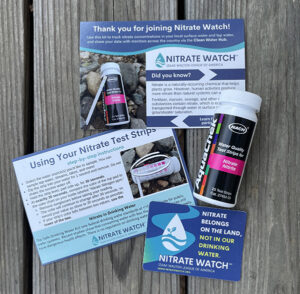 Your kit will include a bottle containing 25 nitrate test strips which you can use to test your water source(s) throughout the year. You’ll also receive postcards explaining how to use your nitrate test strips and how to share your Nitrate Watch results on the Clean Water Hub.
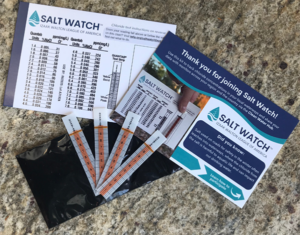 Your kit will include four test strips so you can test your waterway throughout the season. You’ll also receive a chart to help you interpret your results and a postcard with instructions for completing a Salt Watch test and reporting your findings.