The Potomac Crisis: Far From Over
By: Sam Puckett, Clean Water Program Director
In January, a catastrophic collapse of a 72-inch sewer line near Cabin John, Maryland made national news. Many experts called it the largest sewage spill in U.S. history.
Since then, what began as a local ecological emergency has evolved into a national conversation about infrastructure neglect, federal intervention and legal accountability. As of late 2026, the sewer pipe has been repaired and the emergency bypasses have been dismantled, but the fallout is far from over.
Official estimates now confirm that between January 19 and the final containment in mid-February, approximately 244 million gallons of raw sewage flowed into the Potomac River. For context, that is about enough wastewater to fill the D.C. Tidal Basin. While DC Water successfully restored flow to the “Potomac interceptor” pipe in mid-March through emergency geopolymer reinforcement, the environmental scars remain.
Recent inspections by the Maryland Department of the Environment (MDE) have found spill-contaminated soil along the riverbanks. And while water quality in the main stem of the river has largely returned to “normal” recreational levels, the long-term impact on the river’s sediment and local wildlife is still being studied.
The most significant development occurred in the courtroom. On April 20, 2026, the U.S. Department of Justice and EPA filed a federal complaint against DC Water. The lawsuit alleges that the utility ignored “clear warning signs” of imminent failure for at least eight years.
Simultaneously, the State of Maryland filed its own lawsuit in Montgomery County Circuit Court, seeking millions in civil penalties and damages for the “lost value of the state’s natural resources.” These legal actions highlight a grim reality: the section of pipe that burst was already known to be severely corroded, yet repairs were delayed by years of bureaucratic hurdles and shifting priorities.
DC Water has committed to a long-term, 10-month rehabilitation project to reinforce an additional 2,700 linear feet of the pipeline to prevent a secondary collapse.
The path forward: monitoring the recovery
While the immediate health advisories for Montgomery, Prince George’s and Charles counties have been lifted, we are approaching the situation with a healthy dose of concern and skepticism.
Emergency repairs are just a Band-Aid. The federal and state lawsuits confirm what we’ve said all along: we cannot rely on crisis management as a primary strategy for protecting our vital water resources. We need proactive investment.
Stay Informed and Get Involved
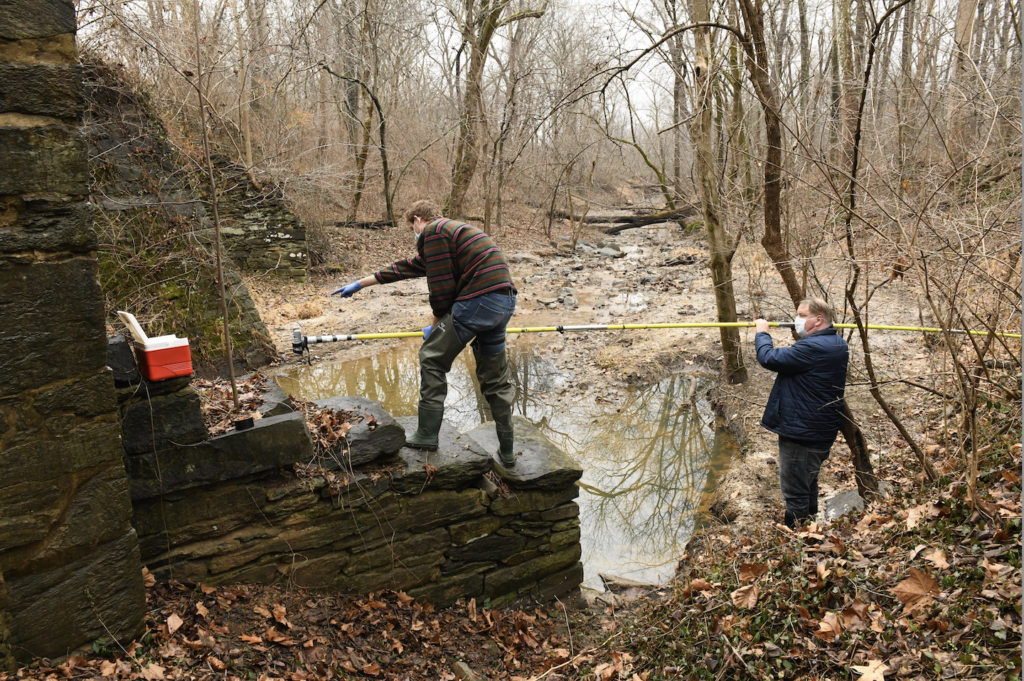
- Monitor Your Water: Visit iwla.org/sos to learn how you can monitor waterways in your community. While we hope that you may never be a first responder to a spill of this magnitude, our volunteers do serve as an integral layer of defense for waterways across the country.
- Advocate: Advocate for all things conservation, including a push for increased infrastructure funding in the upcoming legislative session. Sign up for Action Alerts at iwla.org/advocacy.
- Support: Want to contribute to clean water in other ways? Your donation will go directly to equipping and supporting volunteers and advocates nationally. Visit iwla.org/supportcleanwater to donate today.
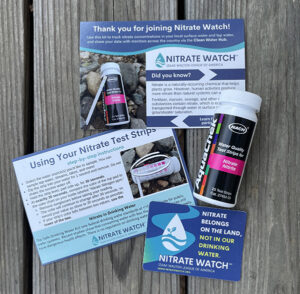 Your kit will include a bottle containing 25 nitrate test strips which you can use to test your water source(s) throughout the year. You’ll also receive postcards explaining how to use your nitrate test strips and how to share your Nitrate Watch results on the Clean Water Hub.
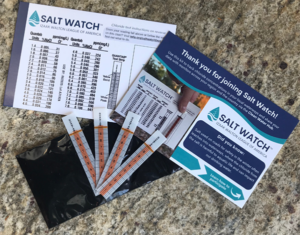 Your kit will include four test strips so you can test your waterway throughout the season. You’ll also receive a chart to help you interpret your results and a postcard with instructions for completing a Salt Watch test and reporting your findings.