Deep budget cuts proposed; Congress must prioritize conservation
Each year, Congress decides how to fund federal departments, agencies and programs through the annual appropriations process. The federal budget is divided into twelve categories, including Interior and Environment, Energy and Water, and Agriculture.
The process for fiscal year 2027 began in April with the release of the President’s Budget Request. While not final, the request signals the administration’s priorities and frames the debate for negotiations in Congress.
This year’s proposal, like last year’s, again outlines a sweeping and deeply concerning reorganization of America’s natural resource management. It includes drastic funding cuts and structural changes that undermine nearly every pillar of conservation—from public land access to private land stewardship. Interior Secretary Doug Burgum recently defended these proposals before the Senate, signaling a shift away from the balanced-use approach that has guided policy in recent years.
Key impacts include:
- Wetlands, Water and the Environmental Protection Agency (EPA): The proposal would significantly reduce wetlands conservation funding by cutting the North American Wetlands Conservation Act (NAWCA) from $49 million to $10 million. NAWCA is one of the handful of wetland conservation tools left in the bucket after the Supreme Court stripped Clean Water Act protections for the majority of wetlands in its Sackett decision. Clean water access is also directly threatened by drastic cuts to State Revolving Funds, which the administration proposes to cut from $1.6 billion to $155 million. These funds are primary drivers of improvements to local drinking water and wastewater infrastructure. In addition, substantial cuts to the EPA could limit its ability to monitor water quality, manage runoff and enforce pollution standards that protect both communities and wildlife.
- Forestry, Research and Relocation: The U.S. Forest Service faces a fundamental reorganization, including the elimination of forest and rangeland research—data essential for managing timber, wildfire risk and invasive species. The proposal also calls for relocating agency headquarters and leadership outside Washington, D.C. Critics warn this shift could lead to the loss of experienced staff and erode coordination with Congress.
- Wildlife and National Refuges: The National Wildlife Refuge System, which hosts millions of visitors each year for wildlife viewing, hunting, fishing and other types of outdoor recreation, faces significant cuts that could force deferred maintenance and reduced public access. The proposal also includes an $11 million reduction in migratory bird management and eliminates State and Tribal Wildlife Grants—the primary funding source for preventing non-game species from becoming endangered.
- On-Farm Conservation and Private Lands: The administration’s budget request would zero out funding for Conservation Technical Assistance, which provides boots–on-the-ground expertise through the U.S. Department of Agriculture’s Natural Resources Conservation Service. These staff work directly with farmers and ranchers to implement voluntary conservation practices that improve soil health and water quality. Without this support, conservation on private lands essential to landscape-scale conservation could stall nationwide.
- Public Lands and Policy Rollbacks: Alongside a proposed 25 percent cut to the National Park Service during a time of record visitation, the administration seeks to rescind a 2024 Bureau of Land Management Public Lands Rule. This rule recognized conservation as a formal use of public lands alongside grazing and energy development. Its removal would shift management priorities back toward extraction.
Congress will ultimately decide the final budget. Lawmakers now face a defining choice: follow the proposed cuts, maintain current funding levels, or pursue a different path. What they choose will impact the future of America’s public lands, water, wildlife and working landscapes.
The appropriations process is still in its early stages, with fewer than half of House bills approved in committee and no significant action yet in the Senate. No one who cares about clean water, healthy soil, wildlife habitat and public lands should sit this out—now is the time to speak up.
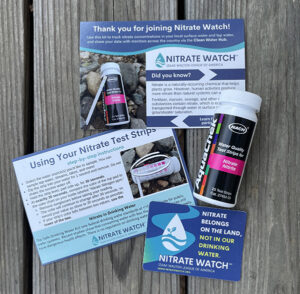 Your kit will include a bottle containing 25 nitrate test strips which you can use to test your water source(s) throughout the year. You’ll also receive postcards explaining how to use your nitrate test strips and how to share your Nitrate Watch results on the Clean Water Hub.
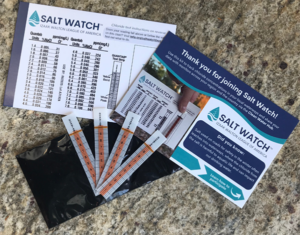 Your kit will include four test strips so you can test your waterway throughout the season. You’ll also receive a chart to help you interpret your results and a postcard with instructions for completing a Salt Watch test and reporting your findings.