New resources detail Farm Bill conservation programs
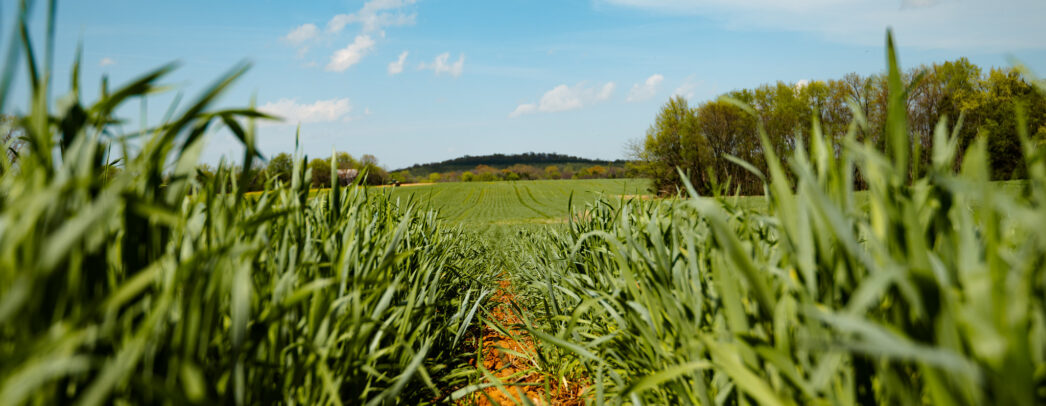
Federal conservation programs established in the Farm Bill are some of our nation’s strongest tools to increase conservation practices that improve water quality, bolster soil health, improve wildlife habitat and more. Each year, the U.S. Department of Agriculture invests billions of dollars to spur adoption of key practices. In return, enrolled farmers, ranchers and landowners receive financial and technical assistance.
This month, the Izaak Walton League of America released a series of fact sheets detailing the impacts of key programs in select states, including top practices, acres enrolled, and financial impacts. The resources highlight programs including the Conservation Stewardship Program, Environmental Quality Incentives Program and Conservation Reserve Program.
In addition to their conservation benefits, Farm Bill conservation programs also provide meaningful economic benefits. They have been shown to create jobs, generate returns on investment for the taxpayer, and help agricultural producers start practices shown to boost their long-term bottom lines.
Fact sheets are available at the links below for the following states:

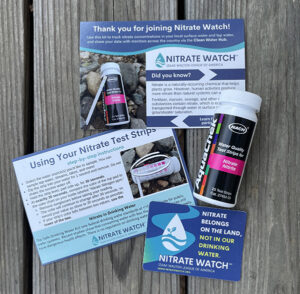 Your kit will include a bottle containing 25 nitrate test strips which you can use to test your water source(s) throughout the year. You’ll also receive postcards explaining how to use your nitrate test strips and how to share your Nitrate Watch results on the Clean Water Hub.
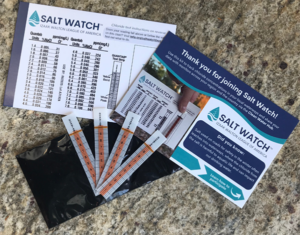 Your kit will include four test strips so you can test your waterway throughout the season. You’ll also receive a chart to help you interpret your results and a postcard with instructions for completing a Salt Watch test and reporting your findings.