Meet a Monitor: Jiwoo Lee
By: Maggie Dombroski, Mid-Atlantic Save Our Streams Coordinator
Getting Started
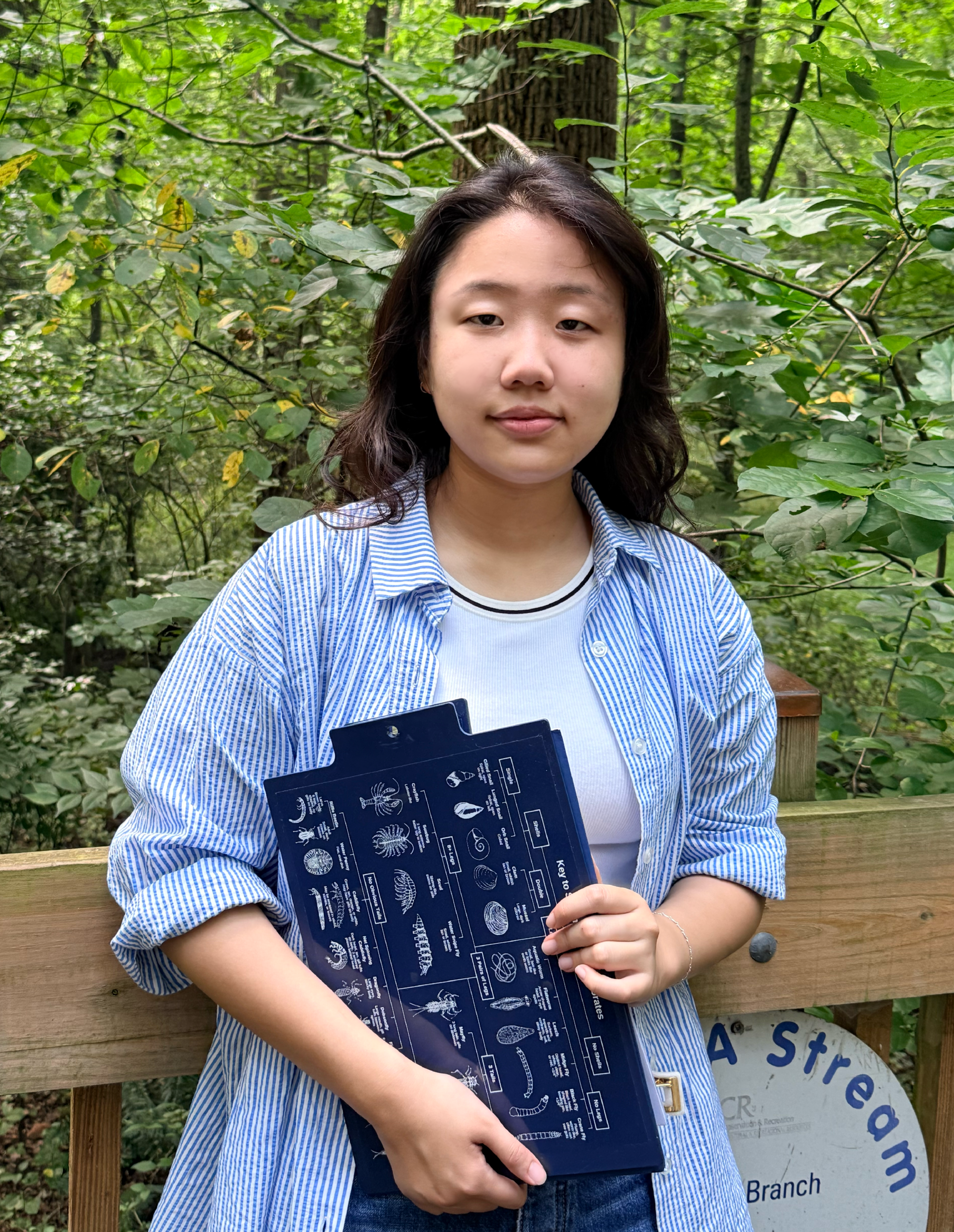
Jiwoo Lee, a rising senior at Thomas Jefferson High School for Science and Technology in Alexandria, VA, became certified as a Virginia Save Our Streams trainer this summer, making her our youngest trainer! As someone who didn’t used to like bugs, she’s come a long way in a short time.
Jiwoo got her stream monitoring start in middle school when looking for a volunteer opportunity for her school’s service hours requirement. She found the Reston Association’s monitoring events on the service hours site and thought she’d give it a try. That first time, she didn’t really enjoy it.
“I didn’t really like bugs, and stream monitoring mainly was looking at macroinvertebrates, which didn’t fly on my face, but they were kind of intimidating at the start, so I didn’t think I would return.”
But, the next season she decided to give it another shot. And something clicked. “I think I just got kind of addicted,” Jiwoo recalled, “I just started to enjoy the process.”
Hooked on Monitoring
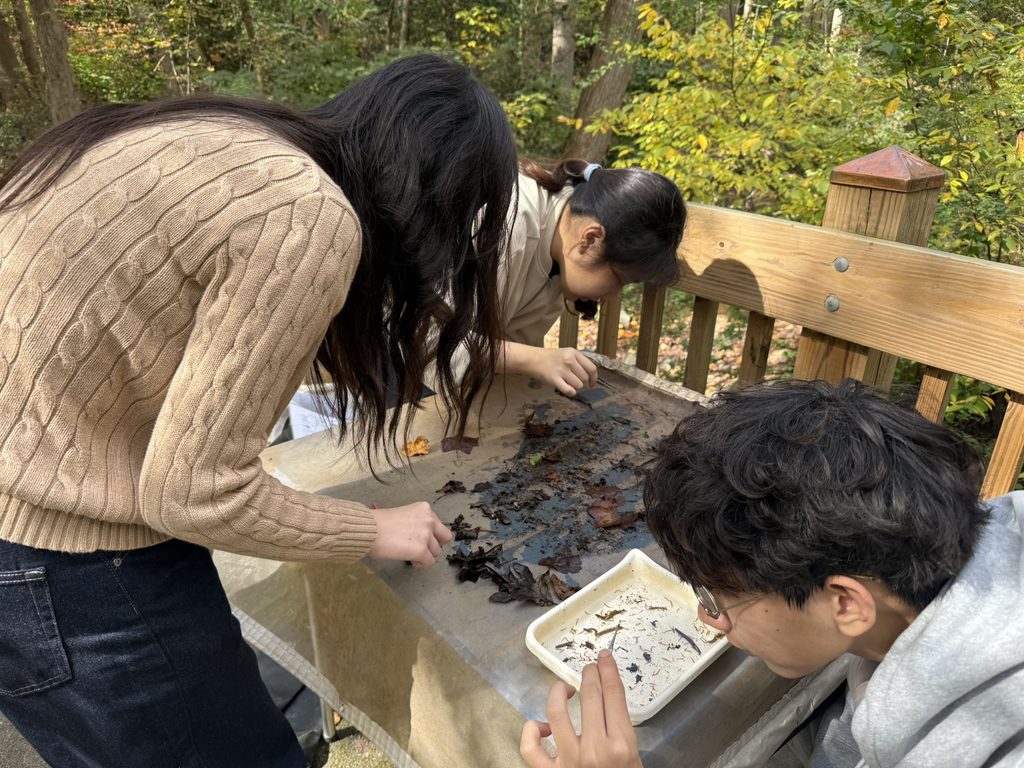
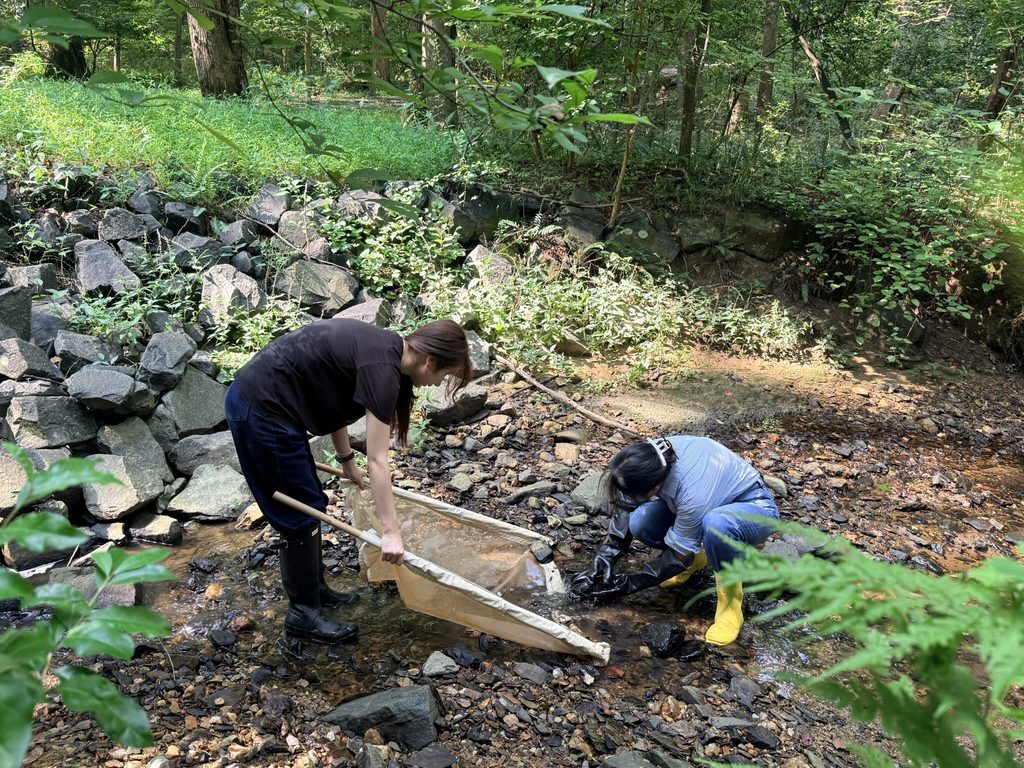
She’s been monitoring ever since. Now, she monitors her very own site each season, in addition to helping Reston Association with some of their other sites. Ben Rhoades, Environmental Program Manager at Reston Association, notes that she is the only student to successfully adopt a site in Reston. Jiwoo has been able to recruit some of her friends and siblings to come out and monitor with her, which is what motivated her to become a trainer. “I mainly wanted to train my friends and students around my area…I thought it would be kind of cool and fun to host a training event with people my age.”
All Things Bugs
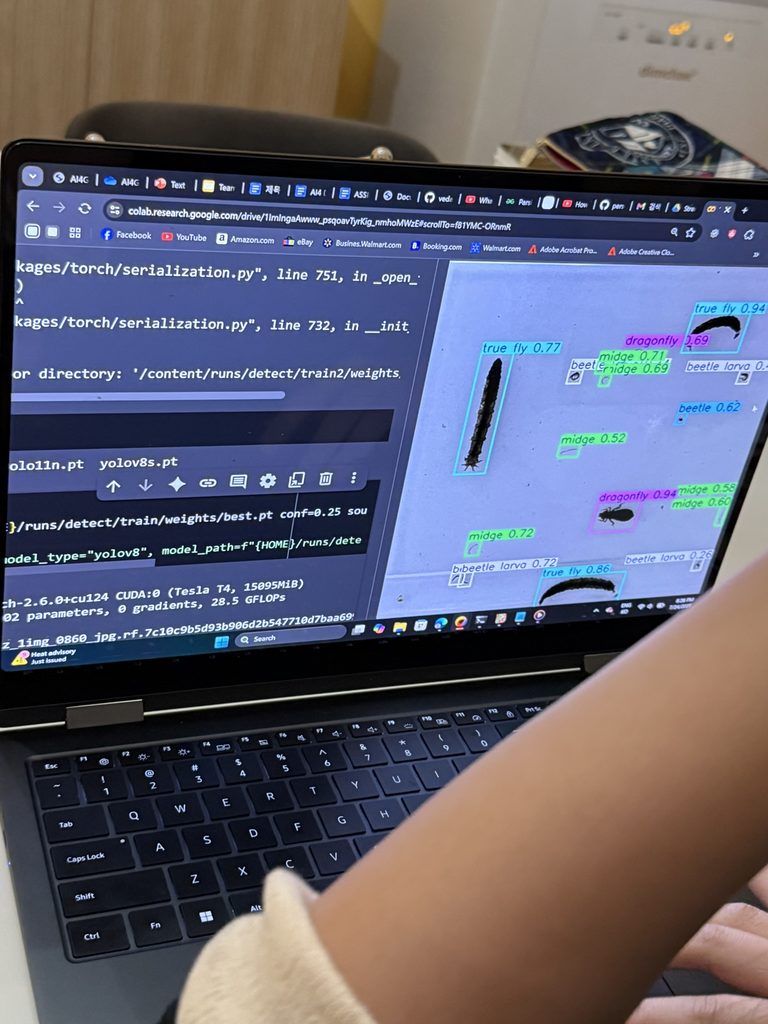
Jiwoo has several other bug-related projects going on too. This summer, she interned in the Odonata (an insect order that includes dragonflies and damselflies) collection at the Smithsonian Museum of Natural History, helping to organize the collection into a database. Outside of school and her internship, she has been working on developing an app to aid in the Virginia Save Our Streams macroinvertebrate counting and identification process. She’s training an AI model to count and identify macroinvertebrates once volunteers have picked them out of their sample net and placed them into ice cube trays, which she hopes will be helpful for stream monitors who are just starting out. Although she’s taken a few app development classes at school, Jiwoo is doing this project independently and is mostly self-taught. She could use more photos of macroinvertebrates in ice cube trays to train her model if any other monitors have some on hand (send them to vasos@iwla.org)!
In recognition of these efforts, Jiwoo and her older sister (who is also a certified monitor!) were presented with Reston Association’s Volunteer of the Year awards at last year’s Annual Member’s Meeting. The Association will miss her when she goes off to college next year, where she hopes to study data science and minor in entomology or agriculture. “Jiwoo has brought a unique passion for benthic macroinvertebrates and stream monitoring to the Reston Association program since her first monitoring session four years ago,” said Rhoades, “We hope that she manages to make some time during her college breaks to come back to Reston’s streams and net some bugs.”
The secret to going from “I didn’t really like bugs” to wanting to study them in college? Jiwoo says “Honestly, bug-hating is like a social construct as this point. You are trained to hate bugs, and that’s why you hate bugs, but if you start getting off that lens, you’ll start to love them. They’re pretty cool. Just give them a chance.”
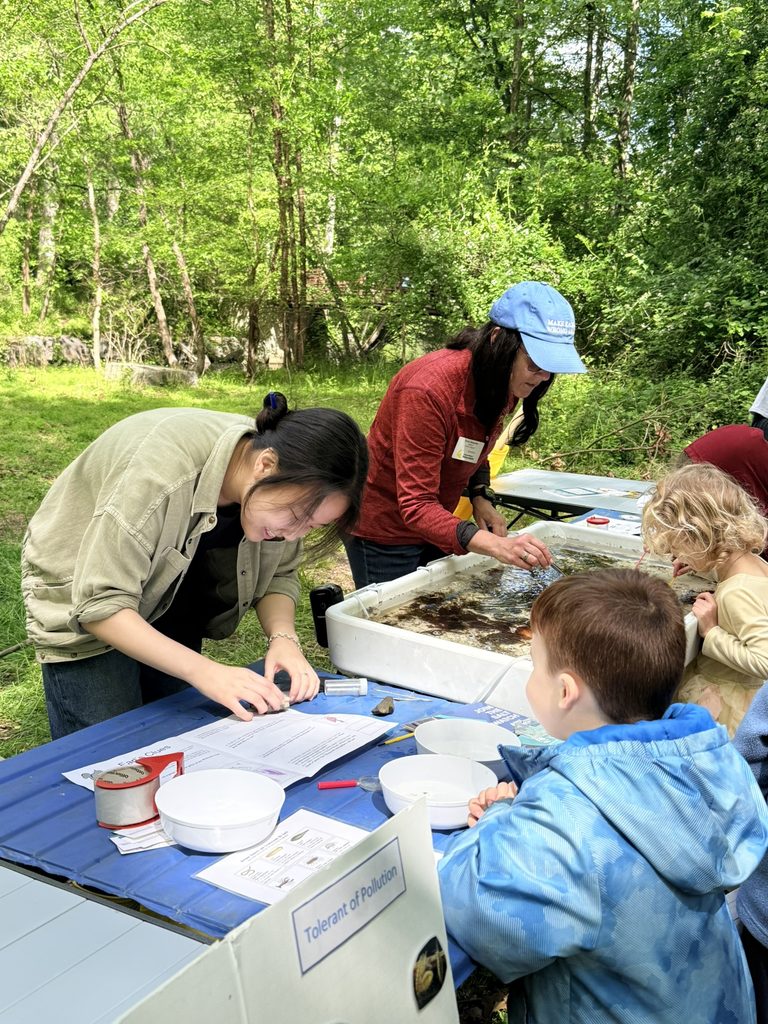
“[Stream monitoring] is a really fun activity, and a really informative one too. I think there are not many opportunities for citizen scientists to participate in these kind of activities, and I think it’s a really good one to get younger generations started in environmental science and conservation.”
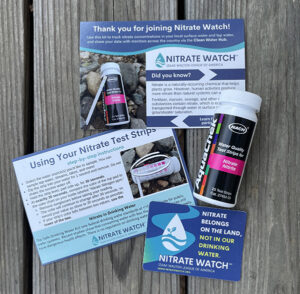 Your kit will include a bottle containing 25 nitrate test strips which you can use to test your water source(s) throughout the year. You’ll also receive postcards explaining how to use your nitrate test strips and how to share your Nitrate Watch results on the Clean Water Hub.
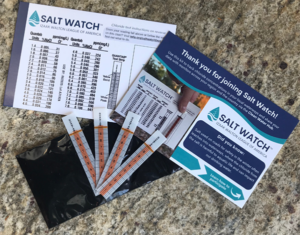 Your kit will include four test strips so you can test your waterway throughout the season. You’ll also receive a chart to help you interpret your results and a postcard with instructions for completing a Salt Watch test and reporting your findings.