Roadless Area protections at risk: Learn how you can help

Author: Kate Miller, Conservation Director
On August 18, 2026, the U.S. Department of Agriculture (USDA) announced a proposal to rescind the 2001 Roadless Area Conservation Rule (2001 Roadless Rule). This proposed action would eliminate widely supported protections on more than 45 million acres of roadless public land throughout the country.
What is the Roadless Rule?
Since 2001, the Roadless Area Conservation Rule has safeguarded some of the most pristine and undeveloped lands in our National Forest System. The Rule protects 58 million acres of backcountry landscapes across 39 states, preventing unnecessary new road construction and commercial logging operations on roadless areas while continuing to allow many other activities to continue, including hunting, fishing and recreation, as well as mining, grazing and oil and gas leasing. Importantly, the Roadless rule also allows for hazardous fuel treatments and other forest management activities, including timber harvest, to improve forest health and to reduce wildfire risk.
The Rule was established after an extensive public process that included more than 600 local meetings and 1.6 million comments—95 percent of which expressed support.
Why it matters:
Roadless areas support healthy headwaters for fish, wildlife and people: Roadless areas are of exceptional importance for providing clean water, fish and wildlife habitat and quality opportunities for outdoor recreation. These landscapes provide secure areas for elk, deer and other big game species and conserve headwaters that sustain native trout and salmon populations. Further, an estimated 25 million Americans get their drinking water from watersheds influenced by roadless areas.
If the Roadless Rule is rescinded, new road construction and large-scale logging could impair water quality and quantity, fragment fish and wildlife habitat and diminish backcountry hunting and fishing opportunities on public lands.
We have plenty of roads and struggle to maintain what we’ve got: Our national forests already contain more than 370,000 miles of roads— that’s more than eight times the length of the U.S. Interstate Highway System and enough to encircle the Earth nearly 15 times. The Congressional Research Service has noted that the Forest Service currently faces an $8.6 billion deferred maintenance backlog, with 58 percent tied to deteriorating roads. Instead of adding more roads that are unnecessary and unsustainable, we should focus on repairing and maintaining the extensive system that already exists.
Roadless protections support wildfire reduction: The proposed rule points to the growing threat of extreme wildlife and the need for management flexibility as a rationale for repealing the 2001 Roadless Rule. However, roadless areas are not incompatible with wildfire reduction, and in fact, increased road development could lead to increased wildfire risk. The 2001 Roadless Rule already allows for hazardous fuel treatments and other forest management activities, including timber harvest, to improve forest health and to reduce wildfire risk. Further, studies show that the vast majority of wildfires on national forests are started in areas with roads. If the Roadless Rule is rescinded, road construction in roadless areas could lead to more human-caused wildfire.
The 2001 Rule protects roadless areas from unnecessary road construction while supporting necessary hazardous fuel treatments and other forest management activities to reduce wildfire risk. The Forest Service should address legitimate forest-management challenges—including wildfire risk and forest health—without eliminating durable protections for intact landscapes.
What Comes Next:
The agency is accepting public comment on the proposed rule for 30 days. Comments are due on October 6, 2026. Following the close of the comment period, the agency will review comments and issue a final rule.
What You Can Do:
Make your voice heard: Let decision makers know that protecting roadless areas matters to you and that you oppose efforts to roll back existing protections.
- Comment to the Forest Service and urge them to reject this proposal to rescind the 2001 Roadless Rule.
- Contact your members of Congress and express your concerns. Urge them to stand strong in support of healthy headwaters and to reject proposals to weaken protections for roadless areas.
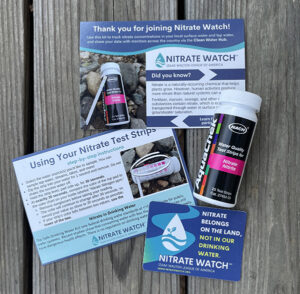 Your kit will include a bottle containing 25 nitrate test strips which you can use to test your water source(s) throughout the year. You’ll also receive postcards explaining how to use your nitrate test strips and how to share your Nitrate Watch results on the Clean Water Hub.
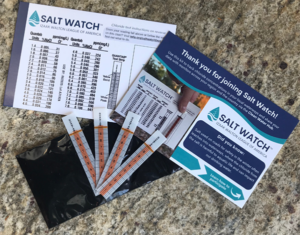 Your kit will include four test strips so you can test your waterway throughout the season. You’ll also receive a chart to help you interpret your results and a postcard with instructions for completing a Salt Watch test and reporting your findings.