Meet a Monitor: Richard Love
By: Abby Hileman, Salt Watch Coordinator
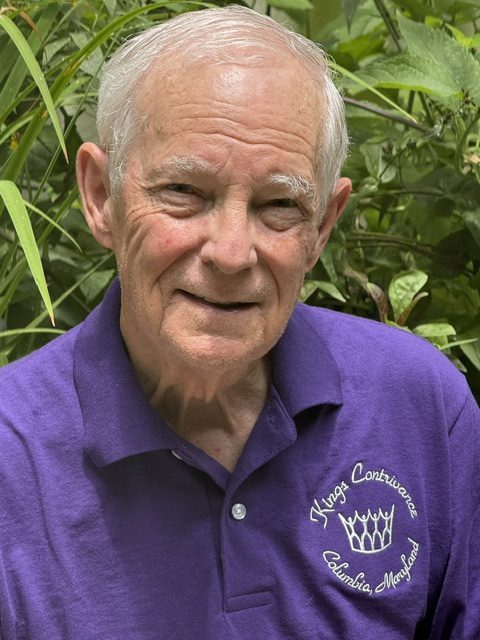
Community science relies heavily on dedicated local volunteers. For Richard Love, protecting local watersheds blends seamlessly with community connection. Today, he serves as an active community scientist in Howard County, Maryland.
From Kentucky Creeks to UCLA Chemistry
Richard’s deep passion for nature traces back to his childhood. In the early 1950s, he grew up exploring a forested neighborhood in Louisville, Kentucky. “It was essentially a nature reserve in my backyard,” Richard recalls. He spent his childhood flipping rocks and logs to look for small wildlife.
Later, his family relocated to Santa Barbara, California. He spent his teen years hiking mountain canyons and exploring coastal beaches. His love for nature persisted through university at UCLA and graduate school for inorganic chemistry at USC. He balanced his academic workload with backpacking trips through the Santa Monica mountains, Mammoth Lakes, Yosemite, Tuolumne Meadows and the giant redwood forests of Mariposa Grove.
Cultivating Conservation in Columbia, Maryland
Richard currently resides in Columbia, Maryland. The planned residential community of 10 self-contained villages in Howard County preserves roughly 25% of its land as protected “Open Space”, which is permanently protected from development. Additionally, the city has over 114 miles of pathways designed for walking, jogging and biking. This unique urban layout offers the perfect environment for a nature lover.
Richard serves his neighborhood through multiple environmental stewardship programs:
- Columbia Association Sustainability Programs: Columbia Association (a Salt Watch and Nitrate Watch partner) is a nonprofit organization that manages, maintains, and enhances the quality of life of Columbia, MD residents.
- Weed Warriors: Removing invasive, non-native plant species from local forested understories.
- Adopt-A-Spot: Clearing out local plots to replant and maintain vibrant native species.
- Stream Waders: Benthic macroinvertebrate monitoring
- KC CARES Newsletter: Helping develop educational content about native planting and urban wildlife for the newsletter. (CARES stands for Community Action and Resources for Environmental Stewardship).
- Watershed Stewards Academy: Richard completed a capstone project on educating residents about stream health, engaging students about invasive species and riparian buffer repair.
Keeping an Eye on Urban Runoff
Richard started with the Izaak Walton League’s Salt Watch program at the suggestion of KC CARES and the Columbia Association. He shared their growing concerns over excessive winter road salt and urban lawn fertilizers.
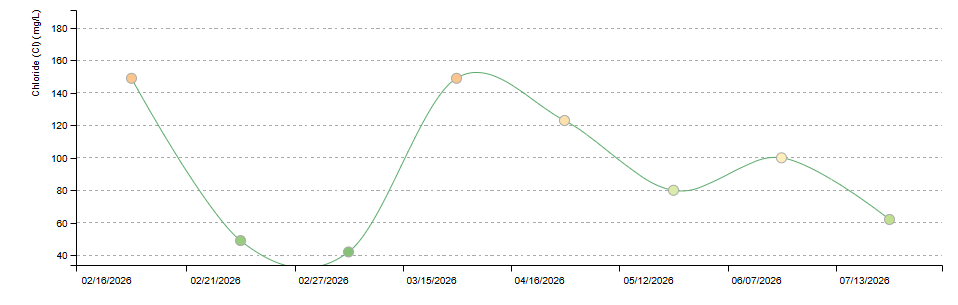
Richard regularly monitors three specific sites that he reports to the Clean Water Hub:
- Busy Grass Pond: A retention basin catching runoff from 200 upstream homes.
- Busy Pond Intake Source: The primary collection pipeline entering the retention area.
- Middle Patuxent River: The local river where the pond’s filtered water ultimately flows.
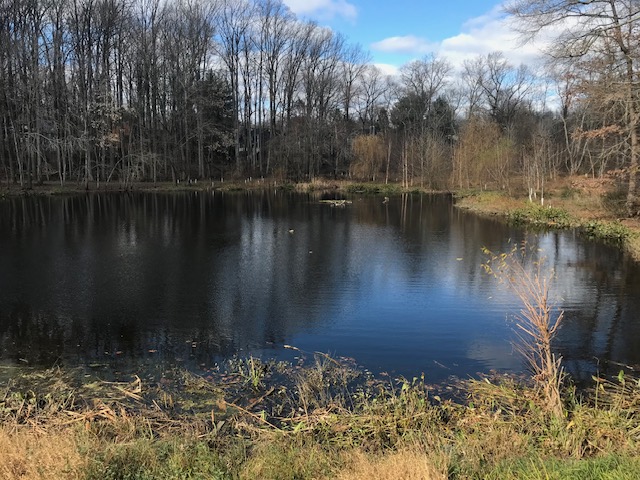
“What is so engaging to me is that I can participate in a citizen science project that makes use of my specific knowledge of chemistry combined with my other educational pursuits. That combination serves my own desire to continue learning and serving the better interests of my community,” Richard notes. The Busy Grass Pond basin catches salt, nitrates, and neighborhood pollutants. Richard tracks these chemicals before they flow downstream into the Chesapeake Bay watershed.
Building Awareness Right Outside the Front Door
Richard continues to engage local residents in place-based education, via a variety of residential outreach activities. Some examples for this fall season are “why Busy Grass Pond exists, what residential watershed management involves, and why it matters to all of us near term and long term.” With the assistance of Columbia Association, Richard launched a dedicated iNaturalist Project called Friends of Busy Grass Pond to document local biodiversity and urban impacts. It provides another avenue for engagement and motivation of community members to “better understand, appreciate and protect the very environment we live in.” He was inspired to launch this project because of his water monitoring and entering data on the Clean Water Hub, the Izaak Walton League of America’s national water quality monitoring database.
Richard believes that programs like Salt Watch and Nitrate Watch help people to better understand that our activities at home and in our communities can impact the local environment. These programs help to make the connection between our activities and stream health.
By sharing local water monitoring data, Richard hopes homeowners realize that property choices directly impact community wellbeing. “If you care about your community’s health, connect with an environmental group and volunteer,” Richard advises. “The experience will reward you with new insights, challenges and friends. To make it easy, pick a group where you already have a depth of knowledge, start at a comfortable level, and see where it goes.”
Want to help protect your local watershed? Visit www.saltwatch.org or www.nitratewatch.org to sign up for your free Salt Watch or Nitrate Watch kit and get started monitoring today!
Photos:
- Richard Love (credit Richard Love).
- Busy Grass pond (credit Richard Love).
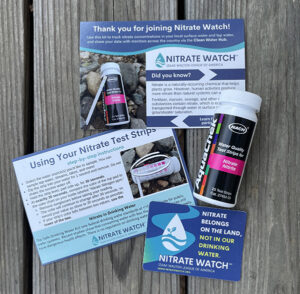 Your kit will include a bottle containing 25 nitrate test strips which you can use to test your water source(s) throughout the year. You’ll also receive postcards explaining how to use your nitrate test strips and how to share your Nitrate Watch results on the Clean Water Hub.
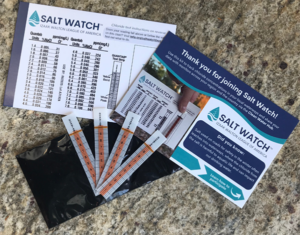 Your kit will include four test strips so you can test your waterway throughout the season. You’ll also receive a chart to help you interpret your results and a postcard with instructions for completing a Salt Watch test and reporting your findings.