The Endangered Species Act is in Danger
Author: Lisa Ballard
One word can make a big difference. In July 2026, the federal government finalized a major change to the Endangered Species Act, removing the regulatory definition of the word, “harm.” Prior to this change, the ESA prohibited significant habitat changes when endangered or threatened species were present. It now permits those intrusions into species habitat if the perceived economic costs outweigh the conservation benefit—or if there’s a national security consideration.
The killing or injuring of listed animals is still not allowed, but now there’s a greater priority given to economic development, and future threatened species will no longer receive the same automatic baseline protections that endangered species do. Each situation concerning threatened species will be reviewed on case-by-case basis.
Why the law was created
During the mid-1800s, passenger pigeons were so plentiful east of the Rocky Mountains that flocks blocked out the sun for hours as they flew overhead. In just a handful of decades, the passenger pigeon went from ubiquitous to extinct, a startling lesson about why we need to pay attention to declining wildlife populations.
The passenger pigeon disappeared for two reasons. The first was loss of habitat when much of the Eastern forests were cleared for the timber and to make room for agriculture and urban expansion. Second, these tasty gamebirds were over-hunted in an era when there were no regulations to manage them, even as their numbers dropped.
Nowadays in the United States, when a plant or animal—terrestrial or aquatic—has such a small population that it is likely to become extinct, it’s legally classified as endangered, which gives it a chance for recovery under the Endangered Species Act (ESA).
Congress passed the ESA in 1973, providing protections and a recovery plan for plants and animals whose populations were on the brink of extinction or heading that way. The ESA is administered by the U.S. Fish and Wildlife Service (USFWS) within the country’s landmass and the National Oceanic and Atmospheric Administration (NOAA) in coastal waters. Other government agencies must abide by the ESA and collaborate with the USFWS or NOAA. For example, when the Environmental Protection Agency is asked to approve a pesticide, it must consult with the USFWS to ensure the pesticide won’t impact an endangered species.
Prior to the most recent update this summer to the ESA made it illegal to “harass, harm, pursue, hunt, shoot, wound, kill, trap, capture, or collect, or to attempt to engage in any such conduct” related to any species listed by the federal government under this law. It required the federal government to designate and safeguard habitat that listed species need to breed, feed, migrate and survive the winter, so their populations would have their best chance of recovery. It also restricted selling or trading listed species.
We often use the terms “endangered” and “threatened” interchangeable, but they mean different things under the ESA. The easiest way to keep them straight is to equate “endangered” with the word “danger,” as in danger of extinction right now. “Threatened” means declining quickly and likely to become endangered if we don’t do something about it. If a species were endangered, historically, its protections were mandatory and strict under the ESA. If a species were threatened, its protections had more flexibility and were customized to the situation. Some threatened plants and animals were guarded almost as rigorously as endangered species, while others had more lenient, localized restrictions.
Individual states have their own endangered and threatened species lists, which sometimes mirror the federal government’s and sometimes don’t. Conservation laws and their enforcement vary widely from state to state based on political priorities, public sentiment, commercial pressures, funding and wildlife management resources. While each state technically serves as the steward of their resident species, the federal government overrides a state once a plant or animal is listed under the ESA, especially if the struggling population crosses state borders.
Why should we care?
People are part of the web of life. We take pleasure in wildlife watching, hunting and fishing, which provide local economic benefits. But most importantly, we depend upon plants and animals to grow crops, provide food and medicines. The cures for many things that ail us have been discovered by studying an obscure species. Afterall, a fungus gave us the anti-biotic penicillin, and Taxol, derived from yew trees, is used to treat ovarian cancer. More than a quarter of all prescriptions written annually in the U.S. contain chemicals discovered in plants and animals. However, if an organism becomes extinct, we’ll never learn its potential for life-saving secrets.
One example that has received attention is native pollinators, many of which are critical to growing the crops we eat. According to the USFWS, pollinators have declined over 50 percent, some up to 90 percent, since the 1970s. There are many reasons, including fewer and less- connected places to feed and breed, and competition from invasive species. Pollinators also suffer from disease, pesticides and climate change—which causes weather-related extremes like prolonged drought, severe flooding and shorter wildfire cycles. The larvae of many of these insects have the added challenge of a narrow range of plants they can eat, such as monarch caterpillars which are beholden to milkweed. And some flowering plants now bloom earlier. If the blooms fade before the pollinators arrive, the insects starve, and the plants don’t get pollinated. The domino effect in this case could directly impact our food sources.
EPA lists more than 1,300 endangered or threatened species in the United States today, many of which most of us have never heard of. “It is that range of biodiversity that we must care for—the whole thing—rather than just one or two stars,” said naturalist Sir David Attenborough. The web of life as we know it depends on all of it.
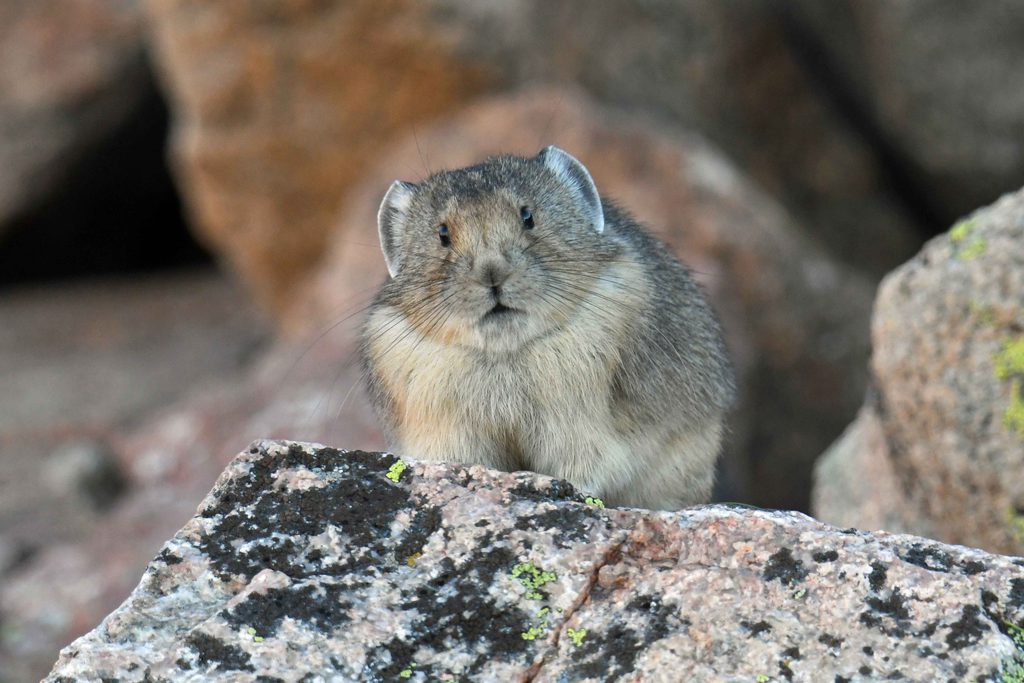
Many species have become extinct over the millennia, yet other plants and animals, including humans, are still around, so it’s easy to wonder why we should save, say, the endangered American pika, which lives in the alpine zone above 8,000 feet. While you might never see a pika, it’s a keystone species in its habitat. This five-ounce rodent has a big impact on its high-elevation habitat. Its foraging, tunnelling and food stashes nourish the soil and spread seeds. Raptors, martens, bobcats, fox and coyotes depend on pikas as a food source. Were pikas to die out, the alpine ecosystems where they live would be stressed perhaps to the brink of collapse.
The problem is, pikas have evolved to thrive in the cold with a high resting body temperature (104 degrees), thick fur and the inability to sweat. When exposed to temperatures in the mid-70s or warmer—an increasingly common occurrence in alpine environs—they succumb to the heat. While other mountain mammals, like marmots, bighorn sheep and elk, can move higher as average temperatures warm up, pikas have already topped out, and without them, as other animals move higher, they’ll find it harder to live in the degraded habitat. In short, even the plight of the pika has a domino effect.
What species have been saved?
There have been many success stories in our efforts to save species, which even predates the Endangered Species Act. A century ago, there were perhaps 100 wild bison remaining in the U.S. Today, they number in the tens of thousands, with domestic herds adding hundreds of thousands to the total.
Bald eagles numbered only about 400 nesting pairs by the late 1970s due to the pesticide DDT, which weakened birds’ eggshells. By 2007, bald eagles and other raptors, including osprey and peregrine falcons, had recovered to the point where they could be delisted.
The American alligator was once hunted nearly to extinction for their hides, but a ban on the interstate trade of alligator skins in combination with habitat enhancement allowed alligators to recover.
Among the most well-known back-from-the-brink stories is the gray wolf. And the wood stork is one of the most recent success stories. Wood storks were delisted in the southeastern United States last winter, after years of wetland restoration efforts.
It’s important to note that due to confirmed extinctions, USFWS has removed 44 species from the endangered list since 2021—mainly small fish, freshwater mussels, birds and regional plants.
The impact of saving endangered animals and plants goes beyond the individual species. When one plant or animal disappears, it affects other living things that share that habitat. Each member of an ecosystem contributes to the system’s wellbeing in different ways—by spreading pollen and seeds, enriching the soil, filtering water, absorbing carbon, giving off oxygen or controlling populations of other species. So when a plant or animal disappears, it disrupts this balance.
Scientists have defined five mass extinctions over the history of the earth that have changed life on our planet. A number of scientists believe that we are in the midst of a sixth mass extinction.
Lisa Ballard is an Ike from Red Lodge, Montana, and a long-time contributor to Outdoor America. An award-winning writer and photographer, she is dedicated to getting people of all ages outdoors and passionate about conserving wildlife for future generations. LisaBallardOutdoors.com
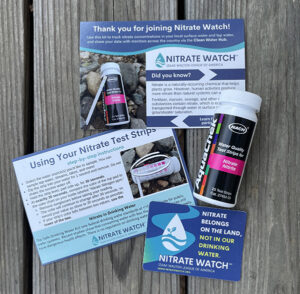 Your kit will include a bottle containing 25 nitrate test strips which you can use to test your water source(s) throughout the year. You’ll also receive postcards explaining how to use your nitrate test strips and how to share your Nitrate Watch results on the Clean Water Hub.
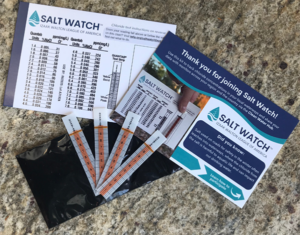 Your kit will include four test strips so you can test your waterway throughout the season. You’ll also receive a chart to help you interpret your results and a postcard with instructions for completing a Salt Watch test and reporting your findings.