What is in Store for Nitrate Pollution Awareness Week
When you pour a glass of water from the kitchen tap or watch a local stream ripple by, you assume it’s clean if it looks clear. But there is a silent, invisible pollutant creeping into America’s waterways and drinking supplies that you can’t see, smell or taste: nitrate pollution.
Nitrate pollution has fast become one of the most pressing clean water and public health challenges we face. To combat this hidden threat, the Izaak Walton League of America hosts an annual national initiative: Nitrate Pollution Awareness Week (running from July 26 to August 1, 2026). Here is a breakdown of what nitrate pollution is, why it matters and exactly how you can get involved during this dedicated week of action.
What is Nitrate Pollution?
Nitrate is a naturally occurring compound made up of nitrogen and oxygen. Nitrogen is a crucial building block for plant growth, which is why it’s the primary ingredient in agricultural fertilizers, lawn care products, and manure.
The problem isn’t nitrogen itself; it’s the sheer volume we put into the environment. When farmers over-apply synthetic fertilizers or heavy rains wash animal manure and urban sewage off the land, plants can’t absorb it fast enough. The excess nitrogen converts into nitrate, which easily dissolves in water. From there, it hitches a ride into our local streams, lakes and underground aquifers via surface runoff and groundwater saturation.
Why It Matters: The Human and Environmental Toll
Most people associate water pollution with industrial chemicals or plastic trash, but nitrate poses a severe, direct threat to human health.
- Human Health Risks: Long-term exposure to elevated nitrate is linked to increased cancer risks (particularly colorectal, bladder, and colon cancers), thyroid disease, and neural tube birth defects. While the EPA standard for safe drinking water is 10 milligrams per liter (10 mg/L), public health studies observe increased health risks even when nitrate levels are well below this legal limit.
- Environmental Toll: When excess nitrates dump into a body of water, they fuel Harmful Algal Blooms (HABs). These thick mats of green slime choke out local waterways. When the algae dies and decomposes, it sucks all the dissolved oxygen out of the water, creating aquatic “dead zones” where fish and other marine life suffocate.
Join the Fight: Nitrate Pollution Awareness Week (July 26 – August 1)
Nitrate Pollution Awareness Week is an all-hands-on-deck initiative designed to amplify education, field monitoring and grassroots advocacy. The best part? Participating automatically enters you into a raffle to win conservation prizes.
The Izaak Walton League framework focuses on three pillars of action:
Education: Attend Expert-Led Webinars
Knowledge is power. Throughout the week, water quality experts and clean water advocates host free virtual sessions detailing the dimensions of the threat. The webinar lineup includes
- The Launch: An introductory overview of nitrate pollution, its sources and overarching solutions hosted by the League’s Clean Water team.
- Human Health Focus: A deep-dive distilling medical research on the links between nitrate exposure in drinking water and adverse health outcomes.
- Agricultural Solutions: A showcase on how regenerative farming practices (like cover crops and reduced tillage) significantly reduce runoff without hurting a farmer’s bottom line.
- Ecosystem Impacts: A session exploring how inland nitrate pollution travels down major river basins to fuel massive hypoxic zones, like the Gulf of Mexico dead zone.
Monitoring: Become a Community Scientist
You can’t fight a problem if you don’t know it’s there. The League’s Nitrate Watch program mobilizes everyday volunteers to track pollution levels using simple, rapid test strips.
- The Action: Claim a free Nitrate Watch kit, then test your local creeks, rivers, lakes and/or drinking water.
- The Impact: Upload your results to the public Clean Water Hub. Submitting your readings between July 26 and August 1 maps hidden pollution hotspots and earns you raffle entries for each unique data point shared.
Advocacy: Speak Up for Clean Water
Turning data into policy is how lasting change happens. For every advocacy action you complete and report during Awareness Week, your name is entered into the prize raffle five times. Advocacy actions include:
- Engaging Representatives: Call or write your local, state or federal lawmakers using the League’s provided phone scripts and letter templates to urge them to prioritize agricultural conservation funding.
- Media Outreach: Write a letter to the editor or an op-ed for your local newspaper using our media guide to alert your community to nearby water risks.
- Community Conversations: Download the Nitrate Pollution Awareness Week media kit to share graphics on social media, distribute educational fact sheets at your local library or farmers market, or bring pre-drafted questions to a town hall meeting.
Engaging in Nitrate Pollution Awareness Week is really easy!
Here are the simple steps to getting involved:
Order your testing kit early: Takes 2+ weeks for delivery, as demand is high.
Register for the virtual webinars: July 27 – July 31.
Sign up for the daily midday expert panels to learn about the health, ecological, and agricultural angles of nitrogen tracking.
Gather field data and upload: July 26 – August 1.
Dip your test strips in local waterways or tap water, match the color chart to read parts per million, and log the results live on the Clean Water Hub.
Submit your advocacy report: Deadline: August 8.
Log your completed social shares, letters to representatives, or op-eds on the official IWLA tracker form to solidify your prize raffle entries.
Share far and wide: Whether it is social media posts about Nitrate Pollution Awareness Week, talking to your friends, or posting your monitoring results, sharing your participation will help us achieve the key goal of the week – raising awareness about nitrate pollution.
To get your free testing kit, register for upcoming webinars, download the media kit and more, visit the official webpage at iwla.org/nitrateawareness.
Want to sponsor Nitrate Pollution Awareness Week? Your sponsorship gets free test kits in the hands of eager volunteers.
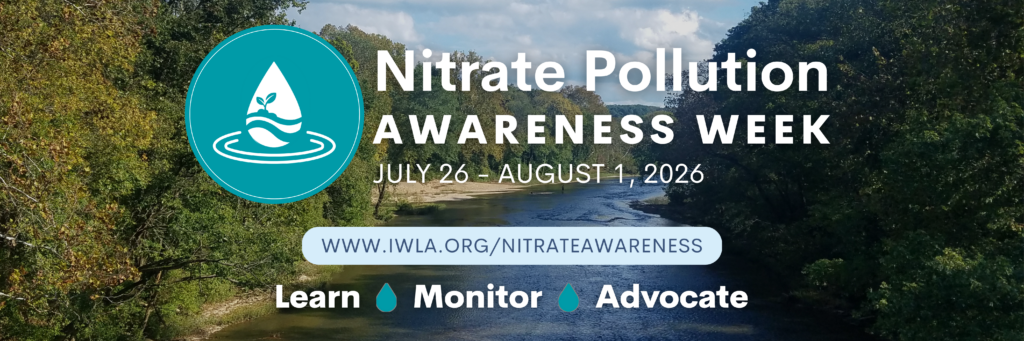
 Your kit will include a bottle containing 25 nitrate test strips which you can use to test your water source(s) throughout the year. You’ll also receive postcards explaining how to use your nitrate test strips and how to share your Nitrate Watch results on the Clean Water Hub.
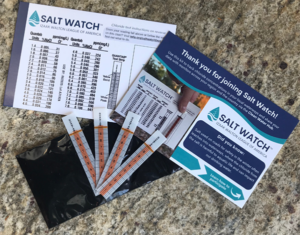 Your kit will include four test strips so you can test your waterway throughout the season. You’ll also receive a chart to help you interpret your results and a postcard with instructions for completing a Salt Watch test and reporting your findings.