A Dream of Fields: The Delaney Prairie
Outdoor America, 2026 Issue 3
Written by: Mike Delaney
In 1988 my wife and I decided to look for a getaway near water close to our home in Des Moines. We bought 30 acres including land on the North Raccoon River bottom, sand bars and flood plain. All but the river bottom and one acre of row crop was woodland. We built a cabin on the hillside. Later we added another 30 acres including 20 acres of row crop ground.
The row crops had been planted right up to the riverbank, which meant there was no buffer to capture or slow down water coming off the fields. Five-foot deep gullies were cut into the bank where surface water runoff poured into the river.
We wanted to plant prairie species. To qualify for the USDA Conservation Reserve Program which provides incentives for soil conservation, we contracted with a neighbor to plant corn and beans for three years. We got a CRP contract and planted seeds for native prairie species from a local supplier. We added additional seed we collected from remnants of the historic native prairies in the region.
We learned about prairie restoration by participating in prairie walks and attending conferences. We also joined efforts to collect seed for what became the 6,000-acre Neal Smith National Wildlife Refuge, which was established in 1990 to restore native ecosystems like tallgrass prairie, sedge meadow and oak savanna.
In the fall of 2008, we started with a “clean field.” We bought a 1948 Ford tractor, scratched up the soil to prepare it, planted 17 acres by hand and then drug fencing over the planting to lightly cover the new seed.
We had good germination the next spring. However, there was plenty of Canada thistle, foxtail and other invasive, non-native species. So we bought a mower for the tractor. We mowed the prairie for three years even though it was hard to mow our early flowering prairie plants.
By the third year we had plenty of big blue stem, Canada wild rye, Indian grass and little blue stem. Yellow coneflowers, oxeye daisy, purple prairie clover and goldenrods also emerged. Every year we added more species as we found them in remnant prairies: pale purple coneflowers, whorled milkweed, New England asters, golden alexander and burgamot took hold and spread.
In order to increase our diversity and quality, we propagated and planted butterfly weed (a milkweed species) and even lead plants, a small, slow-growing native with taproots that can reach 15 feet into the earth. These and other deep-rooted plants had held prairie soil intact on land for millennia before it was first plowed up
Thirty years after we first started experimenting with a few prairie seeds here and there, we now have a prairie with about 60 species of native plants, genetically consistent species native to the five nearby counties of central Iowa.
The stars of the prairie are: compass plants, blazing stars, yellow and pale purple coneflowers, burgamot, butterfly weed, purple prairie clover, prairie indigo, gentians, asters and goldenrods.
Filmed in Iowa, the classic baseball movie Field of Dreams gave us the expression, “Build it and they will come.” I don’t think you can bring back baseball players from the past. However, I know you can bring back monarchs, dragonflies, countless beneficial insects, as well as reptiles, amphibians, mammals and birds.
Mike Delaney is the Conservation Director for the Iowa Division of the Izaak Walton League. He taught Environmental Sociology at Des Moines Area Community College. After retirement he focused his attention on conservation and water quality in the Raccoon River, which supplies drinking water for central Iowans.
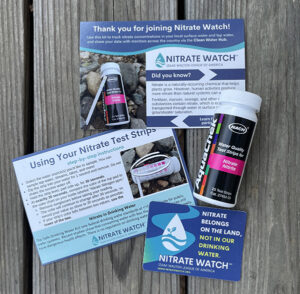 Your kit will include a bottle containing 25 nitrate test strips which you can use to test your water source(s) throughout the year. You’ll also receive postcards explaining how to use your nitrate test strips and how to share your Nitrate Watch results on the Clean Water Hub.
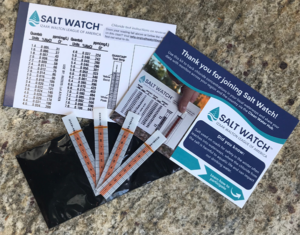 Your kit will include four test strips so you can test your waterway throughout the season. You’ll also receive a chart to help you interpret your results and a postcard with instructions for completing a Salt Watch test and reporting your findings.