What I’ve Learned: 50 Years of Conservation for Nongame Wildlife
By: Carrol L. Hendersen
Wildlife sought by hunters and anglers—whether wild turkeys or walleyes—tend to get a lot of attention, and funding. That’s fair. Hunting and fishing are popular traditions that also generate revenue for state natural resource agencies. But what about nongame wildlife?
Healthy populations of nongame species help to preserve biological diversity and give the public opportunities to observe and appreciate non-game wildlife. During my years as director of the Nongame Wildlife Program for Minnesota’s Department of Natural Resources, my goal was to provide a comprehensive statewide conservation program for non-hunted species of wildlife.
Here’s what I learned. Over time, my work was most effective when it touched on four key ideas: habitat preservation, a holistic approach, high-profile species and hands-on involvement. This is my own version of 4-H.
Habitat conservation. Without safeguarding access to the specific habitat that species require, we can’t conserve wildlife. So for instance, for prairie birds, water birds and lakeshore wildlife, we need to designate habitat where these species can thrive. They may be called wildlife management areas, aquatic management areas or simply natural areas.
Holistic approach to wildlife. Especially for nongame wildlife that has not benefited from a lot of research and attention, we need a holistic approach that accounts for how the species fit into their native ecosystems. That includes research to determine their populations, status and habitat management needs.
High profile species. I have found that it’s easier to enlist public support for conservation when you include high-profile species as examples—whether that’s the bald eagle, trumpeter swan or other “charismatic” critters—appreciation and funding gets a boost when animals we revere get a spotlight.
Hands-on. Enlisting public support is key. Non-professionals can play a huge role in preserving habitat for species like purple martins, common loons, native bees and other essential insects and invertebrates.
Historic perspective. Sneaking in a fifth “H,” appreciation of our historic treatment of species is important too. It was once routine in wildlife management to kill species like eagles, pelicans and other animals that consume game fish and wildlife.
These four, or five, H’s described in my book have helped to guide wildlife conservation programs towards success for a number of species in Minnesota. Two examples come to mind.
There ought to be otters
I never observed any river otters during my years in the 1970s as assistant manager of the Lac qui Parle Wildlife Management Area in southwestern Minnesota. Stricter trapping laws had allowed the populations to grow in other parts of the state, but not in the southwest. So. I did some research and submitted a plan to the Department of Natural Resources to introduce otters there, where there was plenty of suitable habitat.
An approved plan with no budget is a real challenge. Fortunately, conservation groups in the state stepped up and responded to a sponsorship plan where a $600 investment would pay for live-trapping of several otters in northern Minnesota and release in the targeted region in the south.
This fundraising strategy allowed us to eventually capture and transplant dozens of otters, which spread along the Minnesota River and tributaries. Local television stations and newspapers captured some of the otter releases into the wild, which helped generate more public attention and support.
Technically, river otters are managed as a game species because there is a trapping season in Minnesota. But even in the restored region, the population is healthy enough to thrive under that challenge.
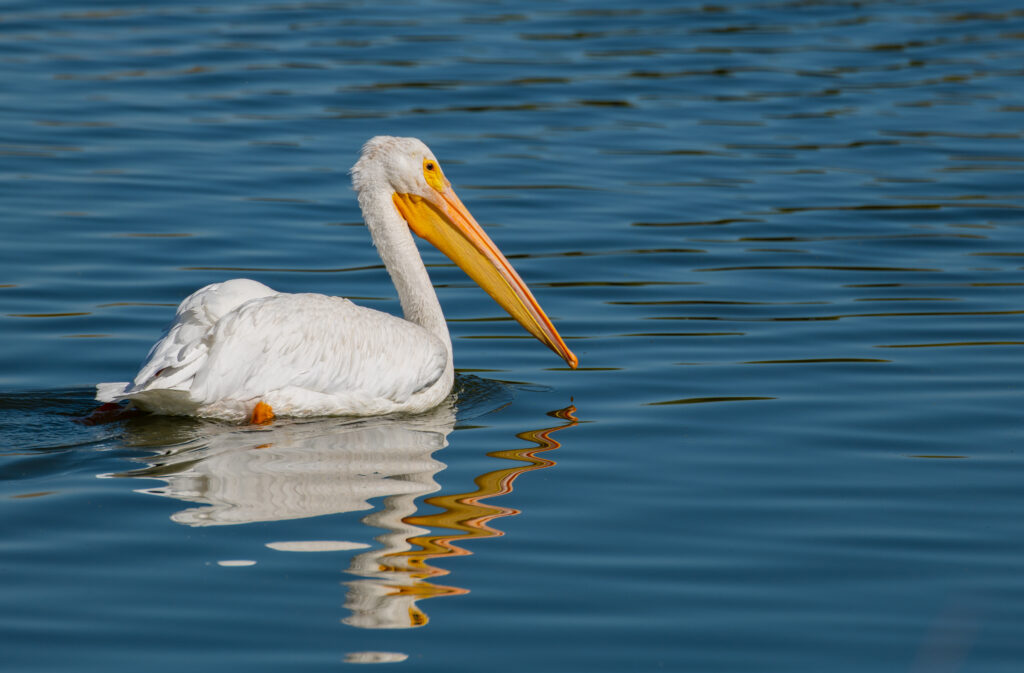
American white pelican
In flight, the American white pelican is one of the most impressive and graceful birds I have ever observed. Up close, they create a different impression.
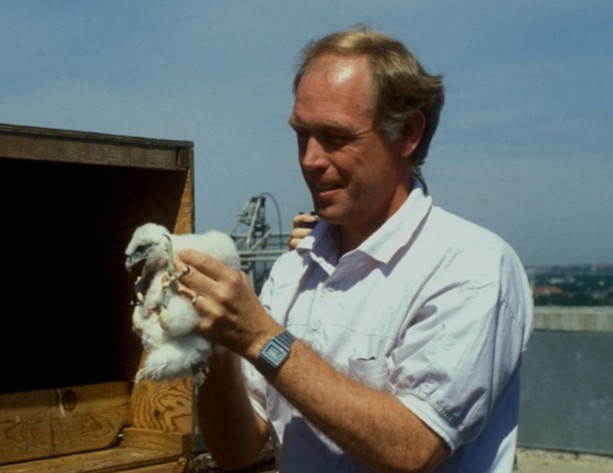
In 1975, I helped attach tracking bands to pelican chicks on a nesting island in Marsh Lake in the Lac qui Parle Wildlife Management Area. Our task was to surround a cluster of pelican chicks, kneel, grab each chick and clinch a federal bird band onto their legs with pliers.
Here’s the thing. When you pick up a pelican chick, it has a double-barreled defense. First, it barfs up in your direction its most recent meal. That might be a partially digested salamander or bullhead. Then it poops.
The full experience was like a step back into a prehistoric era of the smells, sights and sounds associated with wild nesting colonies. But as a site for collecting banding data, Marsh Lake generated important data for understanding the bird’s population health in North America.
Why the concern about the pelicans? Early European settlers killed this species in their nesting colonies under the mistaken belief that the pelicans reduce populations of game fish. By 1904, these pelicans had disappeared from Minnesota as a nesting species. That prejudice against pelicans lasted a long time. In reality, pelicans do not dive for aquatic prey and primarily eat non-game fish and other aquatic creatures.
But with greater human awareness and appreciation of the birds’ place in the wild, the American white pelican showed resilience over the past century and staged a remarkable recovery. They pose no threat to our sportfishing resources. It’s a wonderful sight to behold a “kettle of pelicans” circling on a thermal updraft, migrating across the Midwest sky.
Consider a career in conservation
If this kind of activity appeals to you, consider a career in conservation. Whatever your age, young or old, this work is rewarding and important.
Looking back on my 50 years in this field, I’ve come up with a few “life lessons” for people considering work in conservation. It’s a long list, but I’ll share just five of my favorite for Outdoor America readers.
Follow your passion
When I started college, I was an engineering science major, but it did not motivate me to do my best. I switched to zoology with minors in botany and physics, which sparked a dramatic improvement in my enthusiasm and my grades.
Find mentors who will share their insights
I have been fortunate to enlist many memorable mentors over the years. They inspired me with their commitment and dedication to conservation and created the foundation for sincere friendships.
Develop complementary skills
Throughout my career, I have been able to develop some writing, photography and public speaking skills that have helped me accomplish important conservation goals. Compelling stories and images help build support for our work.
Know your publics
There is no such thing as the “general public.” There are unique publics including conservation partners, scientists and advocates who are essential to achieving conservation goals. Get to know them and their networks.
Think big and be patient
What is your big-picture goal or vision? Don’t let small problems get in the way. Often, big projects offer the best chance for getting approval and funding. And remember that some vitally important goals will take years to accomplish.
Finaly, Mark Twain once said, “Always do right. It will gratify some people and astonish the rest.”
My hope for fellow conservationists is this: “May we leave many astonished people in our wake.”
Biography
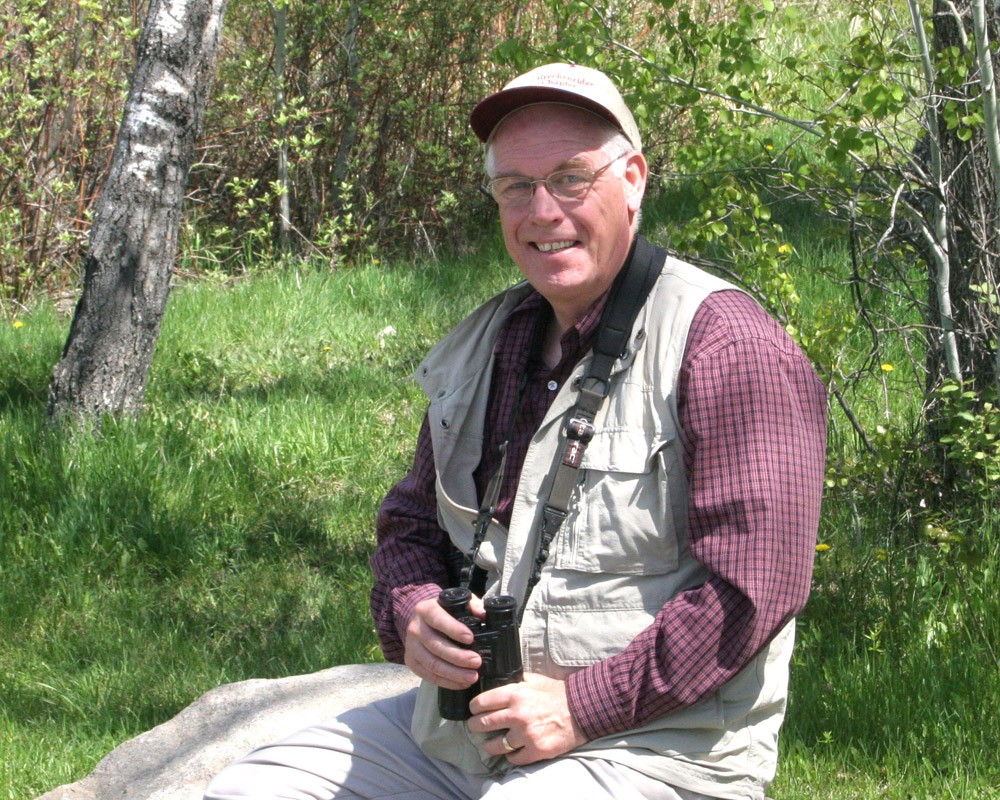
For most of his long career in conservation, Carrol Henderson served as director of the Nongame Wildlife Program for the Minnesota Department of Natural Resources. Author of more than a dozen books, including A National Legacy: 50 Years of Nongame Wildlife Conservation in Minnesota, Henderson has received acclaim and awards from many conservation groups.
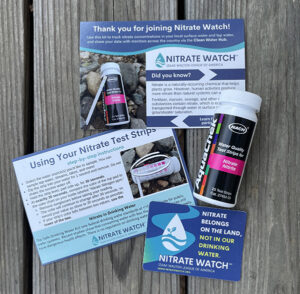 Your kit will include a bottle containing 25 nitrate test strips which you can use to test your water source(s) throughout the year. You’ll also receive postcards explaining how to use your nitrate test strips and how to share your Nitrate Watch results on the Clean Water Hub.
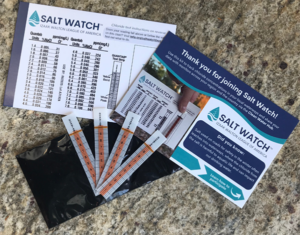 Your kit will include four test strips so you can test your waterway throughout the season. You’ll also receive a chart to help you interpret your results and a postcard with instructions for completing a Salt Watch test and reporting your findings.