Meet a Monitor: Phillip Mariscal
By: Maggie Dombroski, Mid-Atlantic Save Our Streams Coordinator
Phillip Mariscal grew up catfish fishing with his dad on the Potomac River, because that was the type of fishing his dad was most familiar with. But for Phillip, real fishing meant bass fishing. So, when some guys from his neighborhood offered to take him bass fishing at the local Izaak Walton League chapter, he jumped at the chance. There, Phillip caught his very first largemouth bass.
“I felt like I was a real angler then. It was a big deal. And I’ve never forgotten that.”
As a young adult, Phillip got out of the habit of fishing. But in his late 20s, while going through a rough patch, he started fishing again. Although he had never read Izaak Walton’s “The Compleat Angler”, he was unknowingly practicing the principles of the book. “It’s a lot about a time for quiet reflection, right? And to think about things. And that was very much what I used fishing as. And it helped ground me and kind of think about things in my life and mistakes I made and things I wanted to do differently.”
Phillip realized he wanted to get even more involved in fishing and expand out to water quality, so he started looking into water quality organizations. Remembering his experience as a kid, he decided to join the Rockville (Maryland) Chapter of the Izaak Walton League in 2021.
“And it was really probably the best decision I’ve ever made,” he says, “I mean, the people that I’ve met there, I absolutely adore. I feel like I’ve found my people there. One of my favorite things to do is to go to the lake and just sit and talk to them. And we just talk about fishing.”
A few months after Phillip joined, the Chapter’s Conservation Director sent out an email asking for help with the Save Our Streams (SOS) program. Phillip answered the call, and soon realized the Director was training him to run the entire program—which was not what he was expecting. But, in what you’ll come to see is true Phillip style, he decided to go all in.
As the Rockville Chapter’s SOS Coordinator, Phillip started running three monitoring events per year. Initially, the Chapter was using the national SOS protocol, but then Phillip learned about the Virginia SOS protocol, a Chesapeake Bay Watershed specific protocol whose data is sent to the Chesapeake Bay Program through the Chesapeake Monitoring Cooperative. The chapter decided to make the switch, and Phillip got certified in Virginia SOS. “We just wanted to know what was the best protocol to use to make sure that the data was the most valuable and could be used in the most effective way and that what we were doing was worthwhile,” Phillip reports.
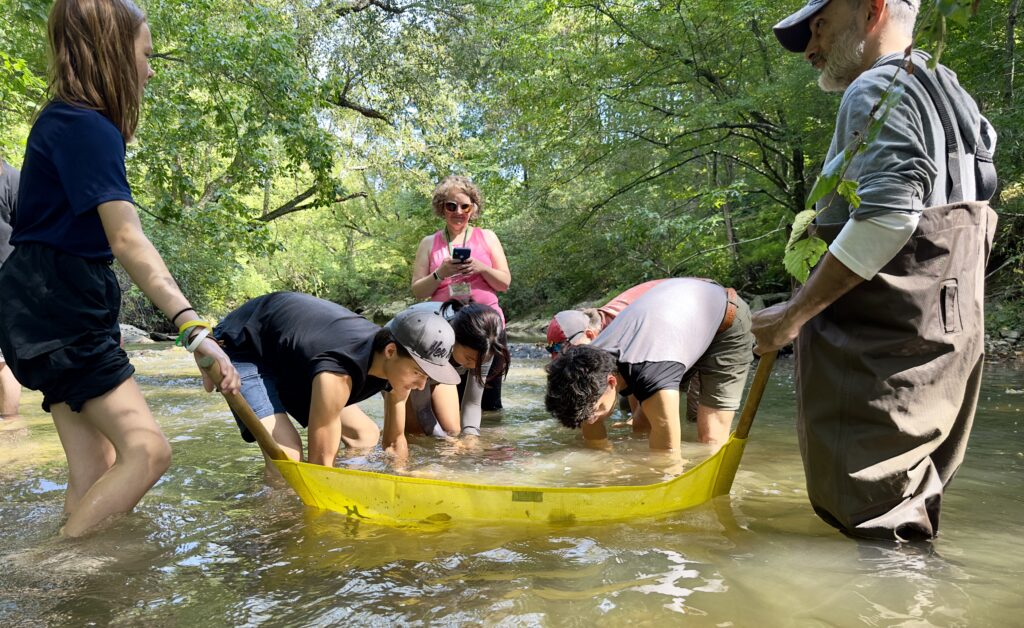
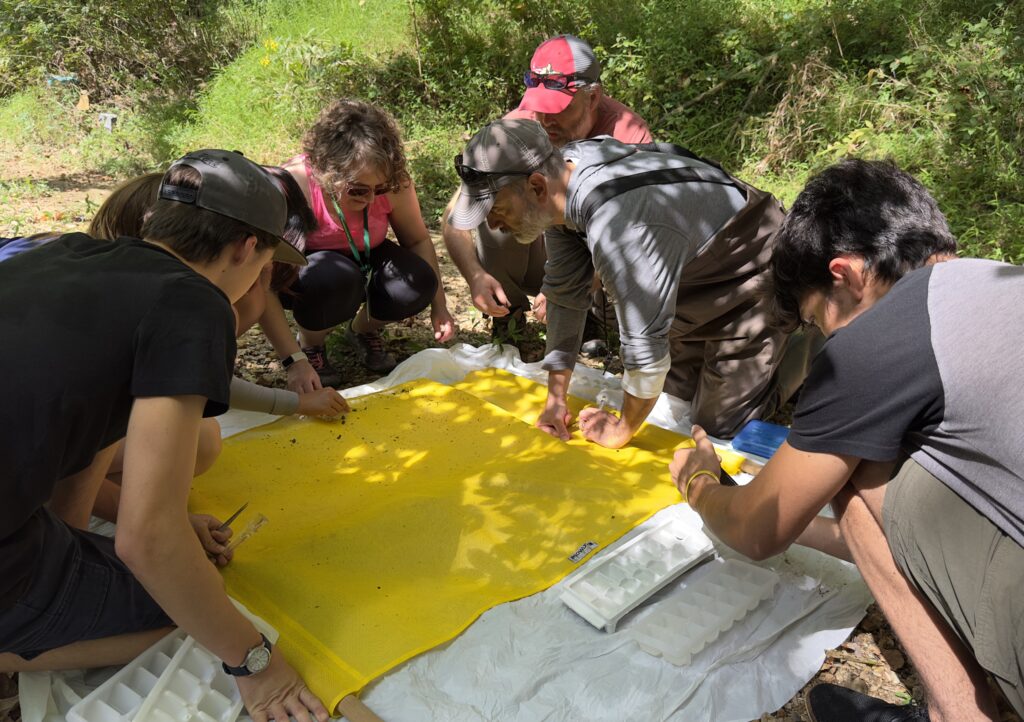
In addition to serving as the SOS Coordinator, the chapter’s Conservation Director began sending Phillip emails about different county and state water quality committees that were in need of members. So, Phillip joined them. At one point, he was sitting on four different committees. “And it turned out that that was, you know, kind of unbeknownst to me, really valuable to the chapter.”
“It just gave me an opportunity to communicate what was going on in the county and let members know about issues and let them provide feedback for me to take back to those groups,” Phillip says, “It also helped get Izaak Walton’s name out there. You know, to me it was just kind of like there’s an opportunity being presented and it’s a challenge. You know, if I’m doing this, I need to do it all the way.”
While serving on the committees, Phillip has been encouraged by how well known and regarded the League is. “Every committee I’ve ever been on, the level of respect that Izaak Walton gets is over the top. I mean, they’re brought up all the time, not just because I’m there, but, you know, as a reference for who’s important in water quality. And that motivated me even more, being on these committees, because I saw the respect that Izaak Walton gets. And I mean, so many people that are on these committees are using, Salt Watch, they’re using SOS.”
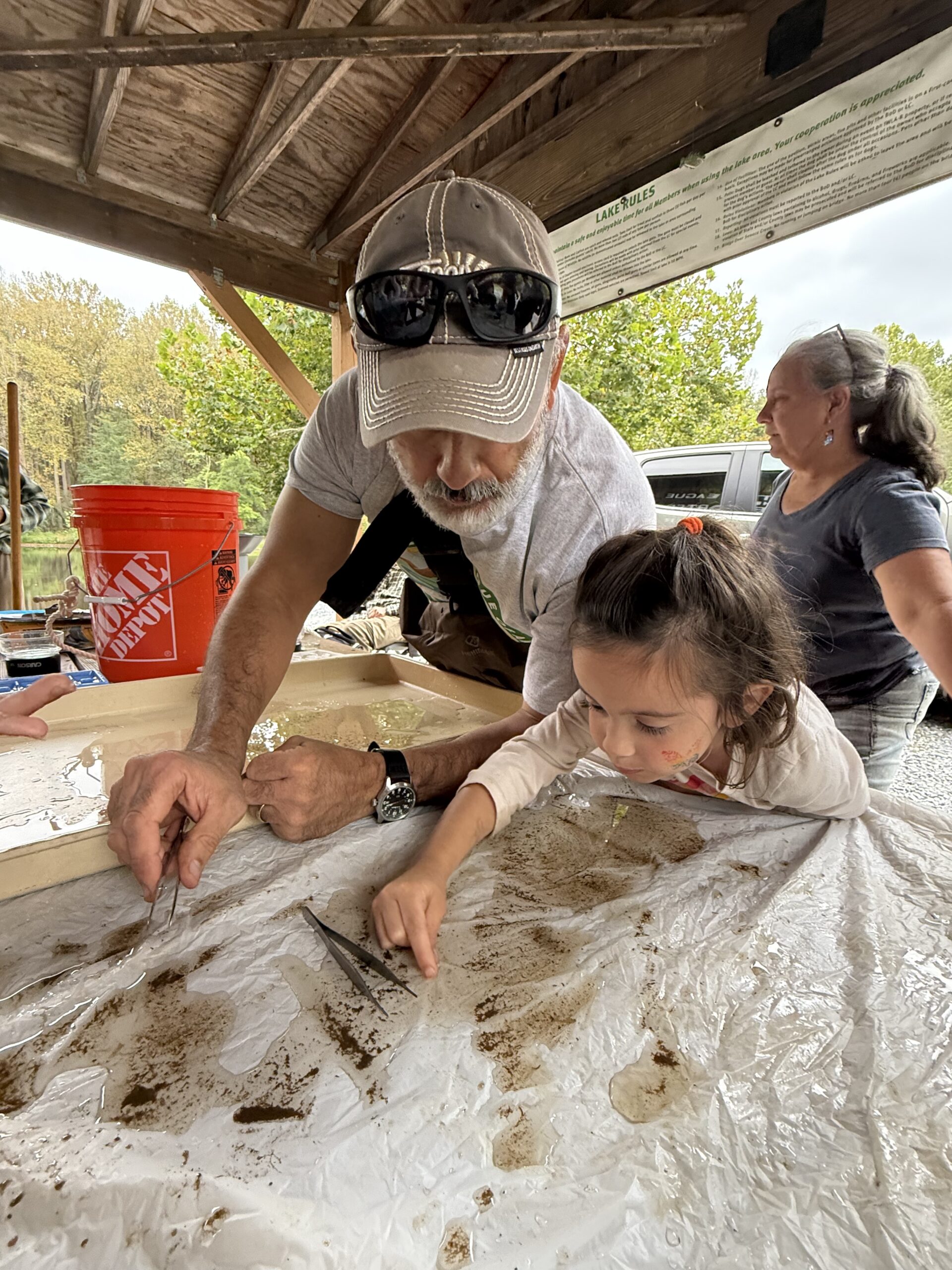
For other chapters interested in getting involved with SOS, Phillip says to start small. “Maybe with just a couple of monitoring events per year, maybe one monitoring event per year.” It’s also helpful to have a dedicated leader like Phillip—that could be you! You don’t have to join every water quality committee in your area—just be willing to organize the events! It’s even better with a buddy—“You’ve got to have at least one other person that’s really dedicated.”
If securing monitoring equipment is a challenge, Phillip suggests reaching out to another chapter near you to see if they have some you can use. “We have an overabundance of equipment,” reports Phillip, and he would be happy to share it.
One challenge the Rockville Chapter has encountered is recruiting people to come out to the monitoring events. “We used to have like 40 people show up,” he says, but in the last year it’s been harder to get volunteers.” A strategy Phillip recommends is to share the events with local schools.
After serving as SOS Coordinator for five years, which Phillip describes as “probably one of the best experiences of my life,” he plans to pass on the torch in August. He looks forward to spending time with his daughter and—you guessed it—fishing.
All photos by Rocky Soumyajit, Izaak Walton League Rockville Chapter member
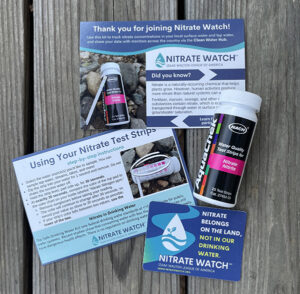 Your kit will include a bottle containing 25 nitrate test strips which you can use to test your water source(s) throughout the year. You’ll also receive postcards explaining how to use your nitrate test strips and how to share your Nitrate Watch results on the Clean Water Hub.
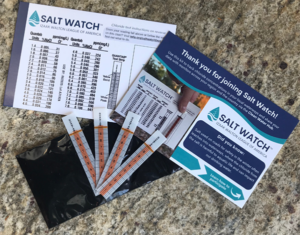 Your kit will include four test strips so you can test your waterway throughout the season. You’ll also receive a chart to help you interpret your results and a postcard with instructions for completing a Salt Watch test and reporting your findings.