Less Salt, Safer Water: Highlights from Winter Salt Week 2026
By: Abby Hileman, Salt Watch Coordinator
Winter Salt Week 2026 (January 26-30) just wrapped up, and what a week it was! Originally a local Wisconsin initiative, this movement has evolved into a national awareness campaign, bringing together scientists, public works professionals, and residents to tackle a growing problem: how to keep our roads safe without poisoning our local waterways.
The timing couldn’t have been more critical. Following a massive snowfall the weekend prior in many regions across the country—which led to widespread salt shortages and egregious oversalting—this year’s event was a necessary wake-up call.
A Week of Smart Salting Webinars
Experts from across the country led livestreams that were promoted by Winter Salt Week covering critical topics:
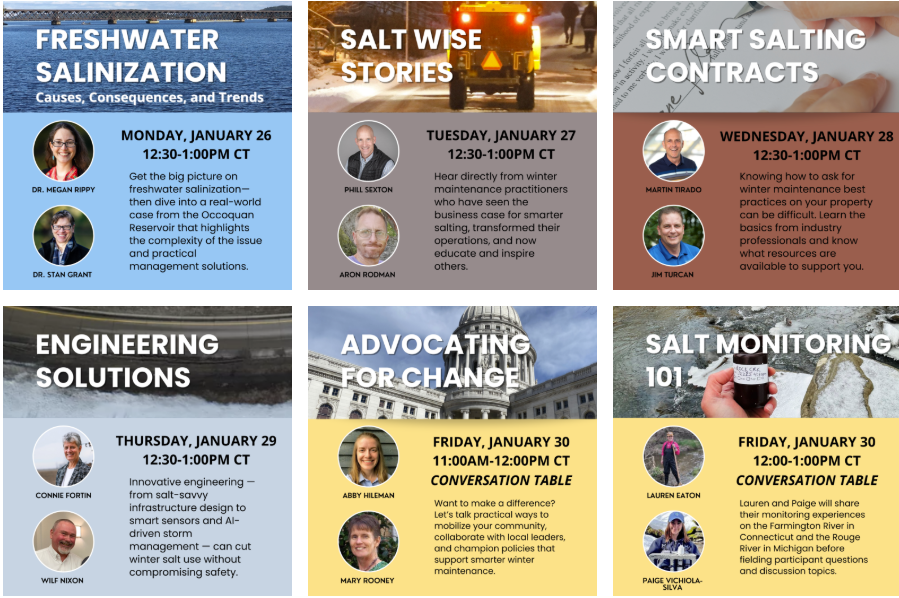
- Monday: Freshwater Salinization: Causes, Consequences, and Trends
- Dr. Megan Rippy and Dr. Stanley Grant from Virginia Tech discussed the challenges and drivers of salt pollution, trends seen by scientists, and case studies from the Occoquan Reservoir in Virginia.
- Tuesday: Salt Wise Stories
- Phill Sexton of Wit Advisors and Aron Rodman of Extra Mile Snowplowing discussed the shifts they made as winter maintenance practitioners to smart salting. By adopting Salt Wise practices in their professions, they were able to reduce costs, improve efficiency, and protect water quality. Watch the webinar recording to learn more about “Salt Wise” success stories from private contractors and municipalities and how you can make a difference in your community and at your business.
- Wednesday: Purchasing Smart Salting: It Starts with the Contract
- Martin Tirado of SIMA (Snow & Ice Management Association) and Jim Turcan of Cornerstone Partners Horticultural Services Co. shared industry best practices and resources when incorporating smart salting practices into your contracts with winter maintenance professionals.
- Thursday: Engineering Solutions
- Connie Fortin of Bolton & Menk, Inc., and Wilf Nixon of The Professional Snowfighter’s Association spoke about how design of buildings and outdoor spaces can create safer and more efficient winter maintenance. Wilf also discussed advances in AI-driven tools that can support storm management.
- Friday: Advocating for Change
- The Izaak Walton League’s Salt Watch Coordinator, Abby Hileman along with Mary Rooney of the Pennsylvania Road Salt Action Working Group gave pointers on advocacy actions that can be taken to reduce road salt pollution.
- Friday: Salt Monitoring 101
- Lauren Eaton of Friends of the Rouge and Paige Vichiola-Silva of Farmington River Watershed Association, both Official Salt Watch Partners, shared their experiences of monitoring for road salt using probes and test strips to learn more about chloride, conductivity, and salinity in their respective waterways. Request a Salt Watch kit to start monitoring in your community!
The Maryland State Capitol
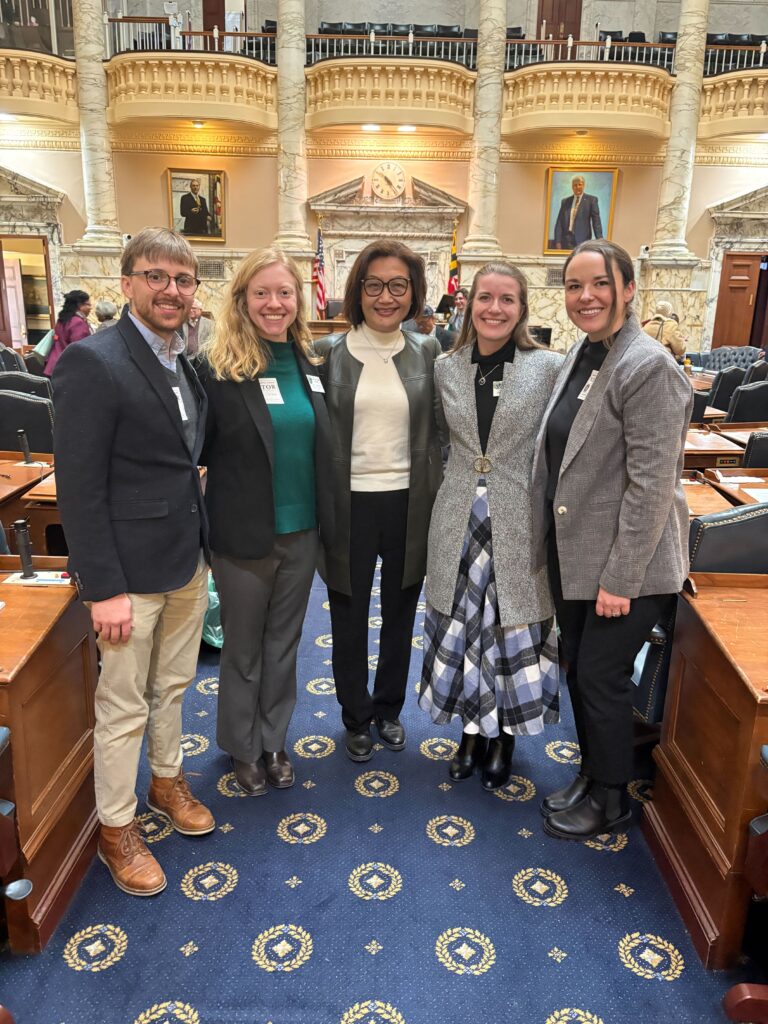
At the Maryland State Capitol in Annapolis on Tuesday, January 27th, Izaak Walton League of America staff members Samantha Puckett (Clean Water Program Director), Abby Hileman (Salt Watch Coordinator), Maggie Dombroski (Save Our Stream Coordinator, Mid-Atlantic region), and Matthew Kierce (Chesapeake Monitoring Outreach Coordinator) attended the Maryland General Assembly House of Delegates Floor Session, where Delegate Lily Qi (District 15, Montgomery County) gave Salt Watch and Winter Salt Week a shoutout during the session announcements. Delegate Qi reiterated that less salt can be used without sacrificing safety, and praised Salt Watch volunteers and the Izaak Walton League of America for taking action on the issue of excessive road salt use and its harmful effects on water quality.
Delegate Qi has been a champion for this issue for years, introducing several key bills to the General Assembly:
- HB 0371 & HB 0216: Aimed at establishing a statewide salt applicator training program.
- HB 1055: Focused on requiring state and local agencies to track and report salt usage.
- HB 1360: Proposed a ban on leaving road salt uncovered outdoors.
While the legislative path is often long and many of the bills didn’t make it out of committee (with exception that HB 1055 passed the House but stalled in the Senate), this persistent pressure from the League and Delegate Qi has already sparked massive wins. Because of this advocacy, the Maryland Department of the Environment (MDE) is now entering its third year of a state applicator training program and MDE has officially added road salt reporting requirements to MS4 (stormwater) permits across the state starting this year!
Izaak Walton League of America Open House
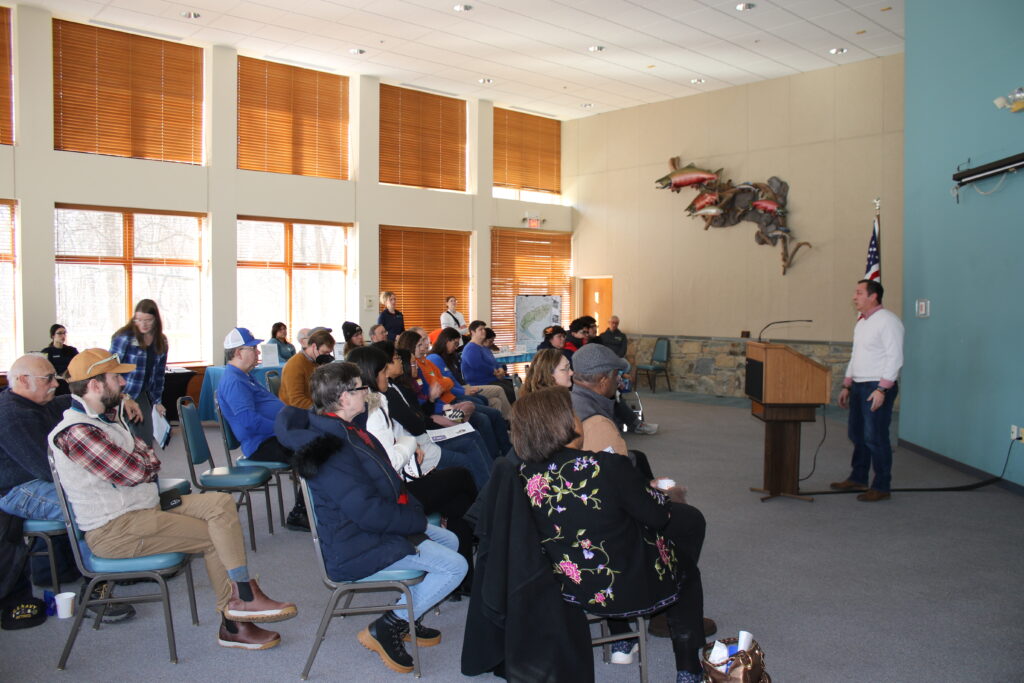
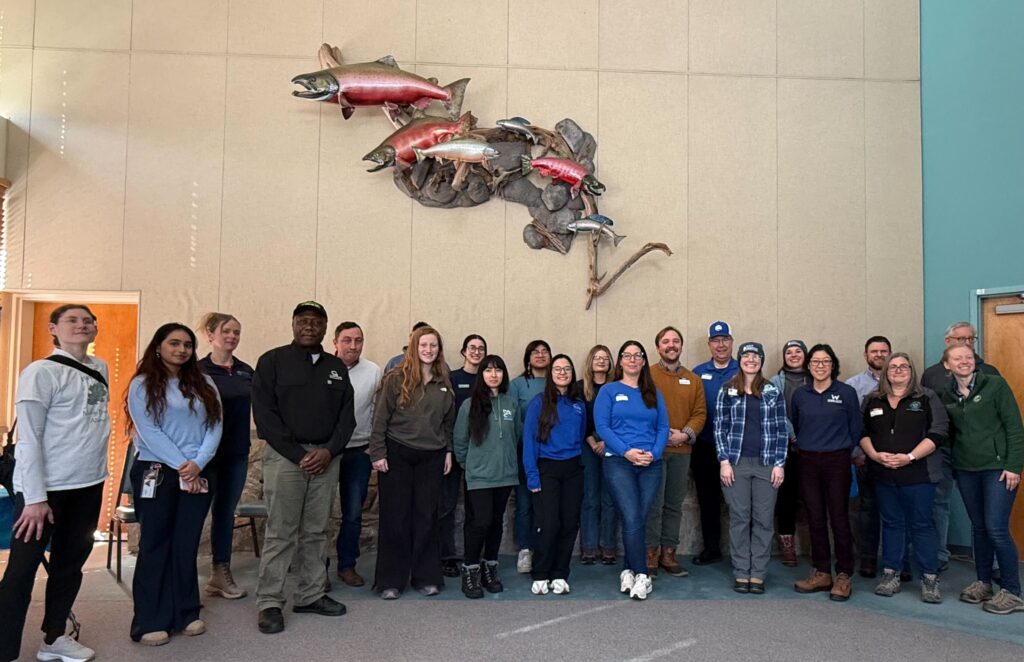
To wrap up an incredible Winter Salt Week, Izaak Walton League of America staff hosted an Open House at the League’s National Office on January 31st. The energy was high as partners from across the D.C., Maryland, and Virginia (DMV) region gathered to share a common goal: protecting our wildlife, infrastructure, and drinking water from the sting of road salt.
Here are the highlights from an afternoon described as “energizing and magical” by on attendee:
High Praise for Clean Water Champions
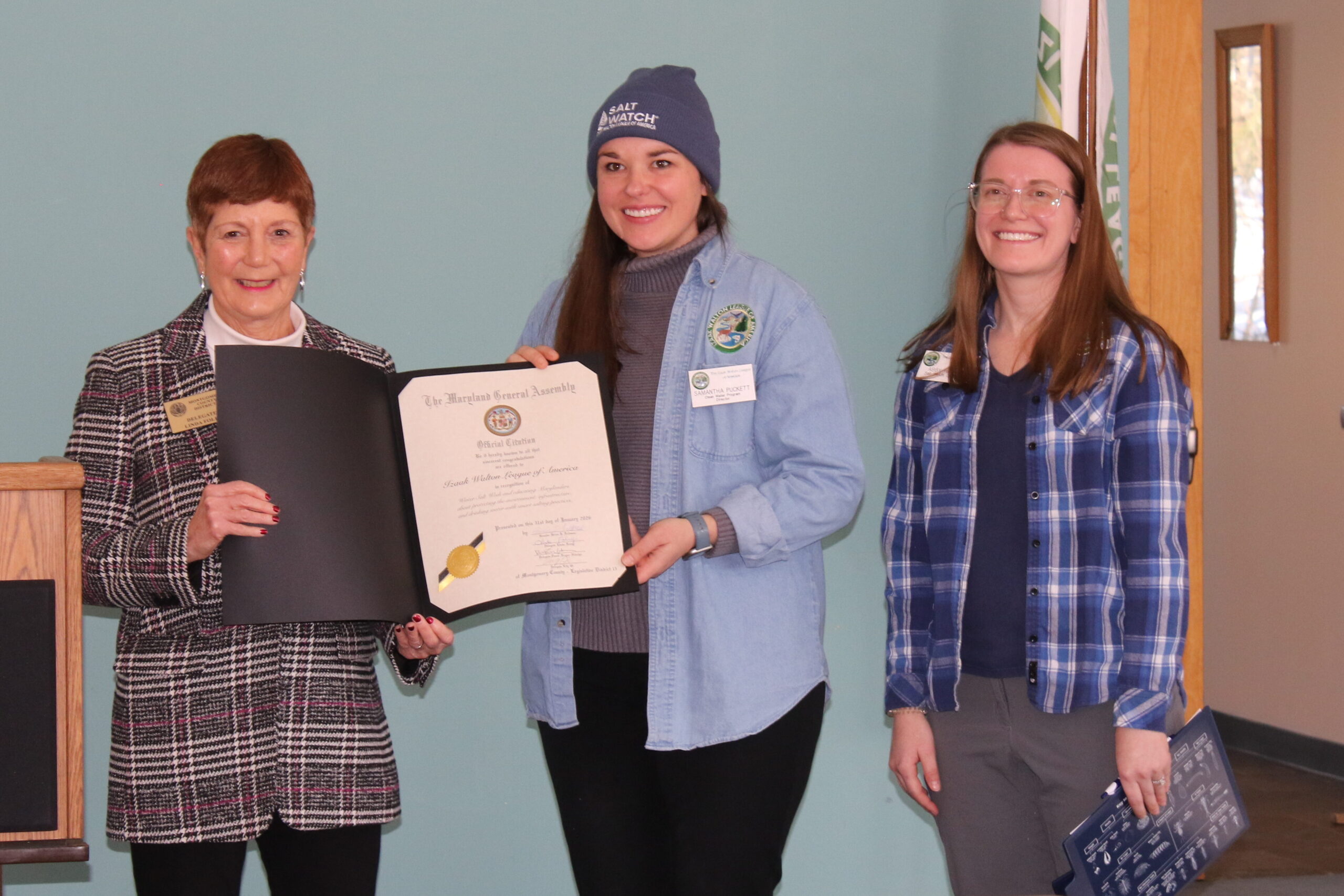
The event kicked off with a major honor: Delegate Linda Foley (District 15) presented the League with an official citation from the Maryland delegation, recognizing the League’s efforts to educate “Marylanders about protecting the environment, infrastructure, and drinking water with smart salting practices.” She reminded us all why this work is so urgent, noting that while the Chesapeake Bay is improving, “it is much harder to bring water quality up than it is to degrade it.”
Wisdom from Regional Leaders
We were joined by a powerhouse lineup of experts who are tackling salt pollution from every angle:
- Source Water Protection: Priscilla To, Ph.D., PE of the Washington Suburban Sanitary Commission (WSSC), emphasized that clean drinking water starts at the source.
- Equity in Action: Montgomery County Councilmember-at-Large Laurie-Anne Sayles reminded us that environmental decisions are also about equity, as salt pollution often disproportionately impacts marginalized communities.
- Policy & Training: Interstate Commission on the Potomac River Basin (Michael Nardolilli), Maryland Department of the Environment (Greg Sandi), Montgomery County Department of Environmental Protection (Amy Stevens), Montgomery County Climate Change Officer Sarah Kogel-Smucker, and others discussed wins like the state-level applicator training program and faster response times for cleaning up salt spills via 311.
- Community Power: Ben Rhoades from the Reston Association shared a brilliant tip: if you want to change salting habits in your neighborhood, join your HOA board! It’s the best way to ensure snow removal contracts prioritize performance over piles of salt.
Hands-On Science
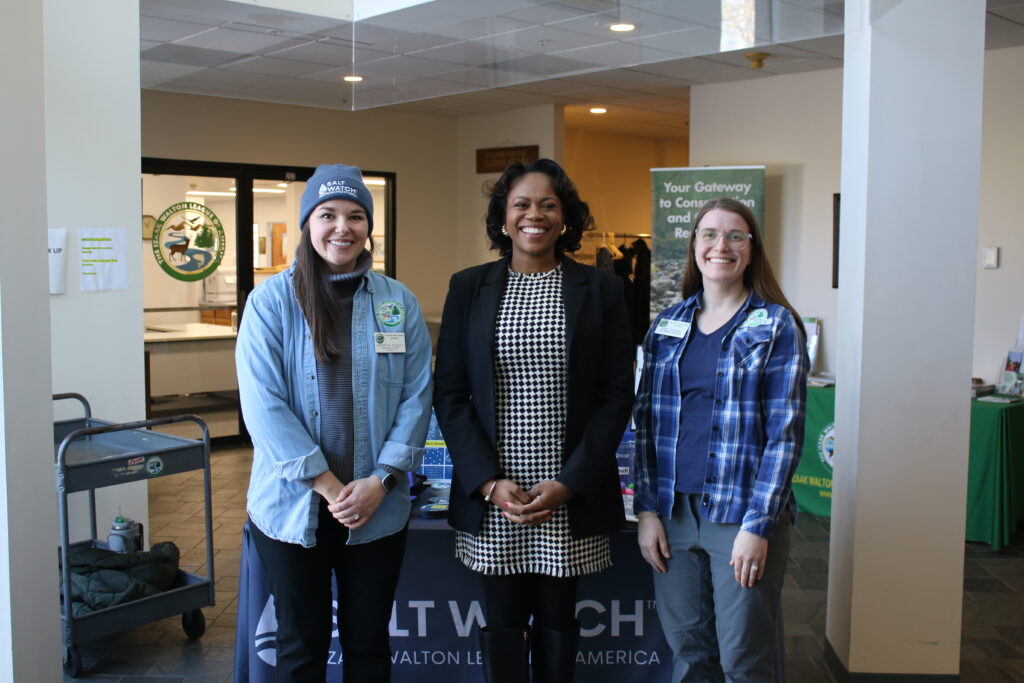
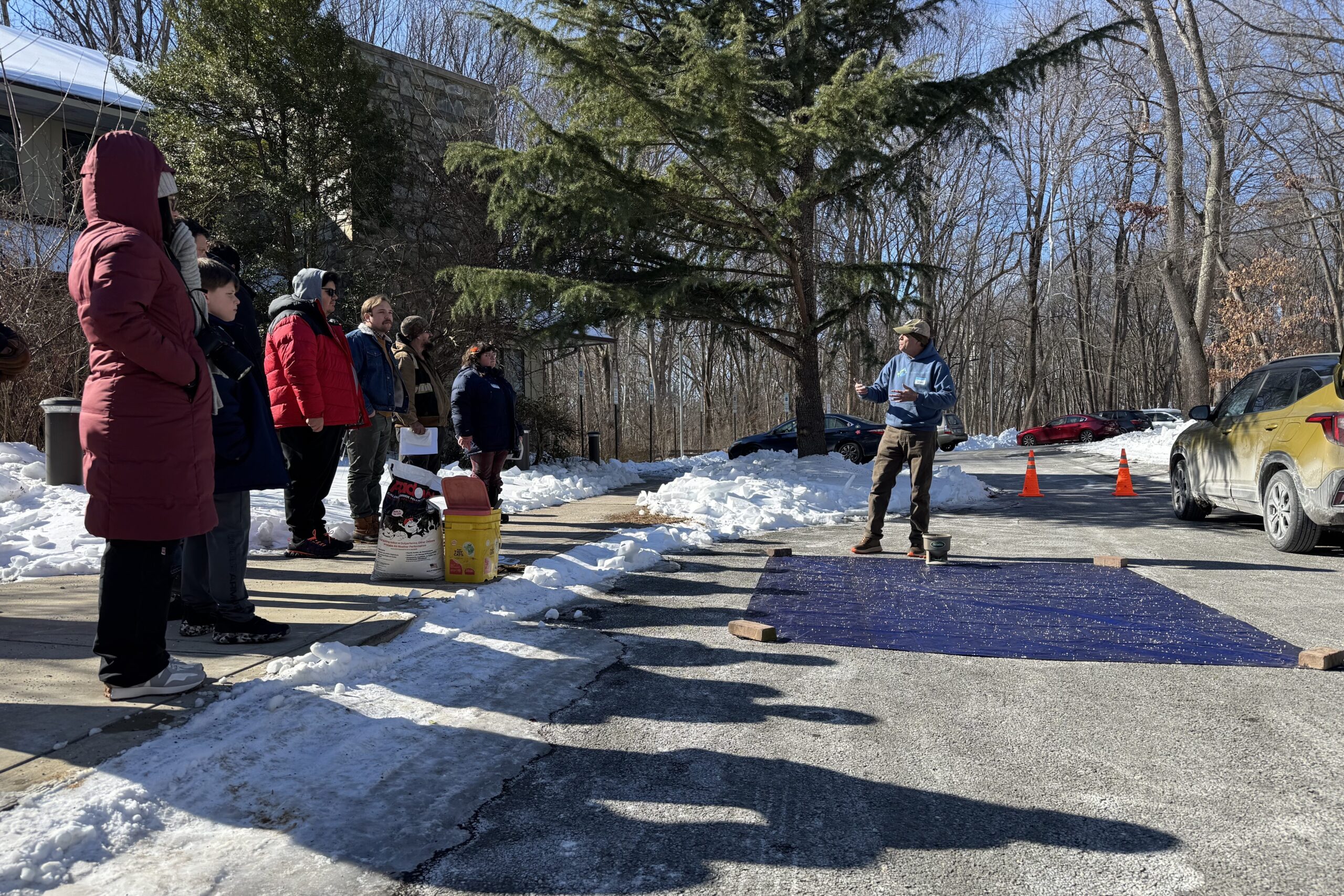
The event wasn’t just about talk—it was about tools. Attendees saw smart salting in action with a sidewalk demonstration by Jason Swope of the Chesapeake Conservation Landscaping Council, proving that you can save money and stay safe while using less salt.
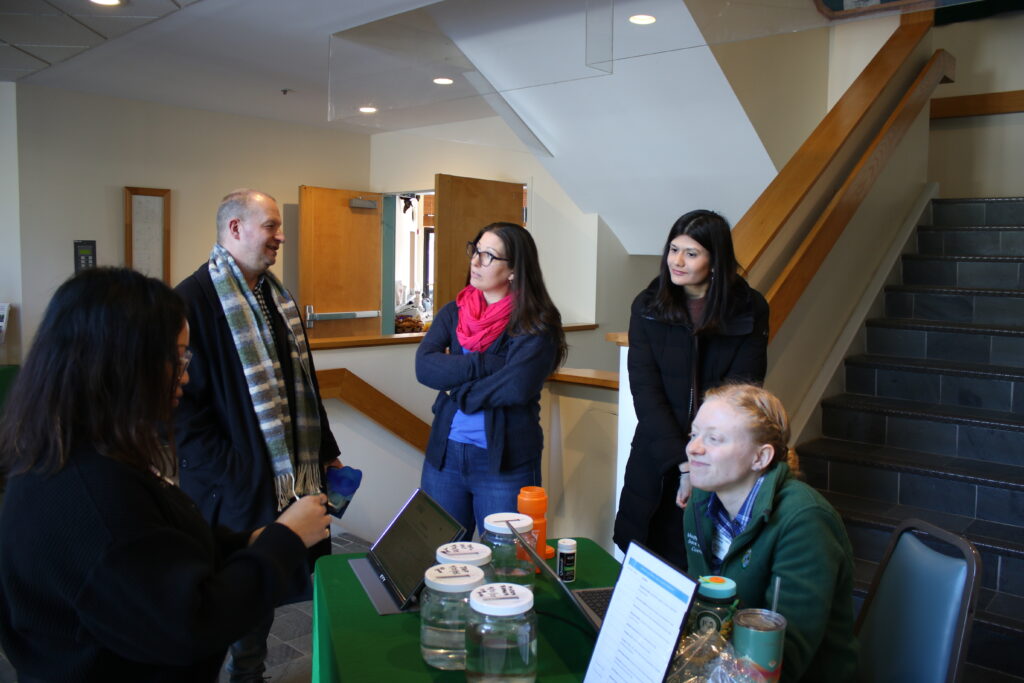
Inside, League staff helped attendees test their own local water samples for chloride, uploading the real-time data to the Clean Water Hub.
What’s Next?
Whether you are a policymaker or a concerned neighbor, the message of the Open House was clear: collaboration works. By monitoring our streams and advocating for “smart salt” contracts, we can protect the resources we all rely on.
Ready to test your local water? Grab a free Salt Watch kit and join the movement!
Special thanks to the following organizations who staffed information booths at the event:
- City of Gaithersburg
- City of Rockville
- Interfaith Partners for the Chesapeake
- Interstate Commission on the Potomac River Basin
- Maryland Department of the Environment
- Montgomery County Department of Environmental Protection
- Muddy Branch Alliance
- Patapsco Heritage Greenway
- Rock Creek Conservancy
- WSSC Water
View the Press Release for the Open House.
For more information on Salt Watch, please contact saltwatch@iwla.org.
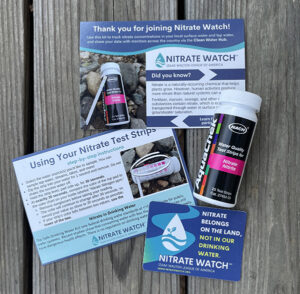 Your kit will include a bottle containing 25 nitrate test strips which you can use to test your water source(s) throughout the year. You’ll also receive postcards explaining how to use your nitrate test strips and how to share your Nitrate Watch results on the Clean Water Hub.
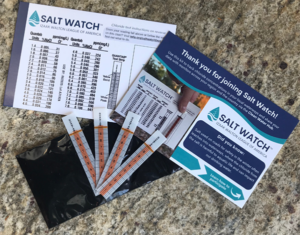 Your kit will include four test strips so you can test your waterway throughout the season. You’ll also receive a chart to help you interpret your results and a postcard with instructions for completing a Salt Watch test and reporting your findings.