Izaak Walton League Campaign for Clean Water, 2026
More than a century ago, conservationists founded the Izaak Walton League of America to curb the rampant pollution of the nation’s waterways and conserve vanishing wild places. In the decades that followed, the League led the charge for clean water advocating for water treatment facilities, habitat preservation and federal guidelines that culminated in passage of the Clean Water Act in 1972.
Today, the threats to clean water have shifted but are no less dangerous to public and environmental health. With a network volunteer water monitors, advocates and 200 chapters across the U.S., the Izaak Walton League pursues several goals:
Protect the nation’s great rivers and waterways. Iconic waterways like the Mississippi River, the Great Lakes and Chesapeake Bay deserve better care and management of pollutants, invasive species, siltation and other degradation.
Save wetlands and intermittent streams, nature’s own water filter. In the aftermath of the Sackett v. EPA decision, which eliminated Clean Water Act protections for the nation’s wetlands, we need to ensure that we do not lose more wetlands and also preserve their integrity as sources of clean water and wildlife habitat.
Expand water quality monitoring across the U.S. Whether led by a government agency, university or a volunteer program like the Izaak Walton League’s Salt Watch, Nitrate Watch and Save Our Streams, we need consistent water quality data collection and reporting. July 26-August the Izaak Walton League will host Nitrate Pollution Awareness Week to highlight the sources and impacts of this pollution. www.iwla.org/nitrateawareness .
Preserve wild recreational areas like Boundary Waters Canoe Area. Since the 1920s, the Izaak Walton League has been working to prevent dams, roads and logging in the vast, pristine Boundary Waters region of northern Minnesota. The watershed for the nation’s most popular federal wilderness area now faces the imminent threat of pollution from a copper-sulfide mining proposal from a Chilean mining company and the League advocates to prevent that.
Invest in agricultural conservation at the federal level to reduce nutrient pollution. Nutrients like nitrate wash off agricultural land pollute water in vast regions of the U.S., especially the Midwest. Proven federal programs, and proposed new ones, offer pathways to reducing dangerous pollution related to agriculture. However, Congress is years behind in its obligation to pass a new Farm Bill.
Update standards for our drinking water. Standards for drinking water need to keep pace with the growing number and variety of pollutants found in surface water and groundwater—whether PFAS, microplastics or nitrate—that serve as sources for drinking water. For instance, nitrate in drinking water, even below the EPA’s 10 mg/L standard, has been linked to colorectal cancer, thyroid disease and neural tube birth defects. [
Invest in wastewater systems and management. The massive 2026 sewage spill into the Potomac River underscores the need for effective management including predictable, multi-year federal funding to help local agencies and assure accountability for treatment of wastewater. The ultimate responsibility for pollution control rests with the polluter. [link to our blog on this]
Tackle climate change which takes a toll on water quality in the U.S. Extreme precipitation, flooding and other fallout from climate change has taken a serious toll on water quality in many regions. Taking steps to reduce climate impacts helps our water quality.
Monitor data center developments. Data centers, which have appeared in many communities with little advance notice, planning or impact assessments, consume an extraordinary volume of fresh water for cooling. That drives up the cost of water and further reduces our diminishing sources of fresh water for drinking supplies nationwide. League members are working to bring order and logic to siting of these centers and provides guidance for managing this process.
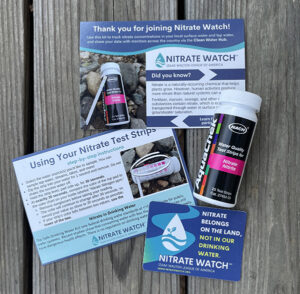 Your kit will include a bottle containing 25 nitrate test strips which you can use to test your water source(s) throughout the year. You’ll also receive postcards explaining how to use your nitrate test strips and how to share your Nitrate Watch results on the Clean Water Hub.
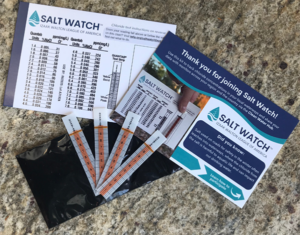 Your kit will include four test strips so you can test your waterway throughout the season. You’ll also receive a chart to help you interpret your results and a postcard with instructions for completing a Salt Watch test and reporting your findings.