From High School Camcorder to Conservation Career: Ryan Wagner’s Journey with the Izaak Walton League
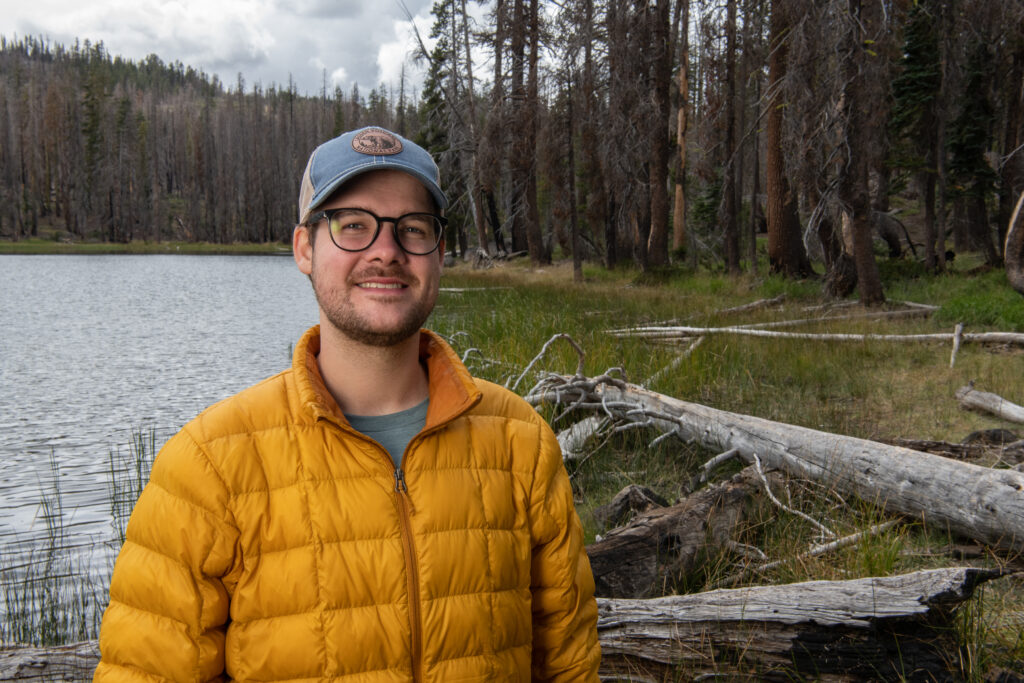
When Ryan Wagner first connected with the Izaak Walton League of America, he was just a high school student with a camcorder and a curiosity about the natural world. He hadn’t even heard of the League before a family friend—an active member of the Medina Chapter—encouraged him to attend a meeting. Ryan simply knew he loved wildlife, science, and telling stories. What he didn’t know was that this invitation—and the scholarship that followed—would become a formative moment in his conservation journey.
A Passion Project Takes Root
As a freshman, Ryan began documenting wildlife and conservation with a simple camcorder. What started as a creative outlet evolved into a three-year passion project. By his sophomore year, he had compiled hours of footage into a film showcasing local wildlife and landscapes.
“I was just a student interested in wildlife,” Ryan recalls. “I started documenting everything I saw.”
Even then, his interest wasn’t just in studying conservation, it was in communicating it. That early intersection of science and storytelling would shape his career.Ryan’s film led to an invitation to present at a Medina Chapter meeting. Stepping into a room full of experienced conservationists at 16 or 17 could have been intimidating, but the reception was overwhelmingly positive. That evening culminated in a scholarship to support his college education. Beyond financial assistance, it was validation from a respected conservation organization that believed in his potential.
Conservation Photography Journey Supported
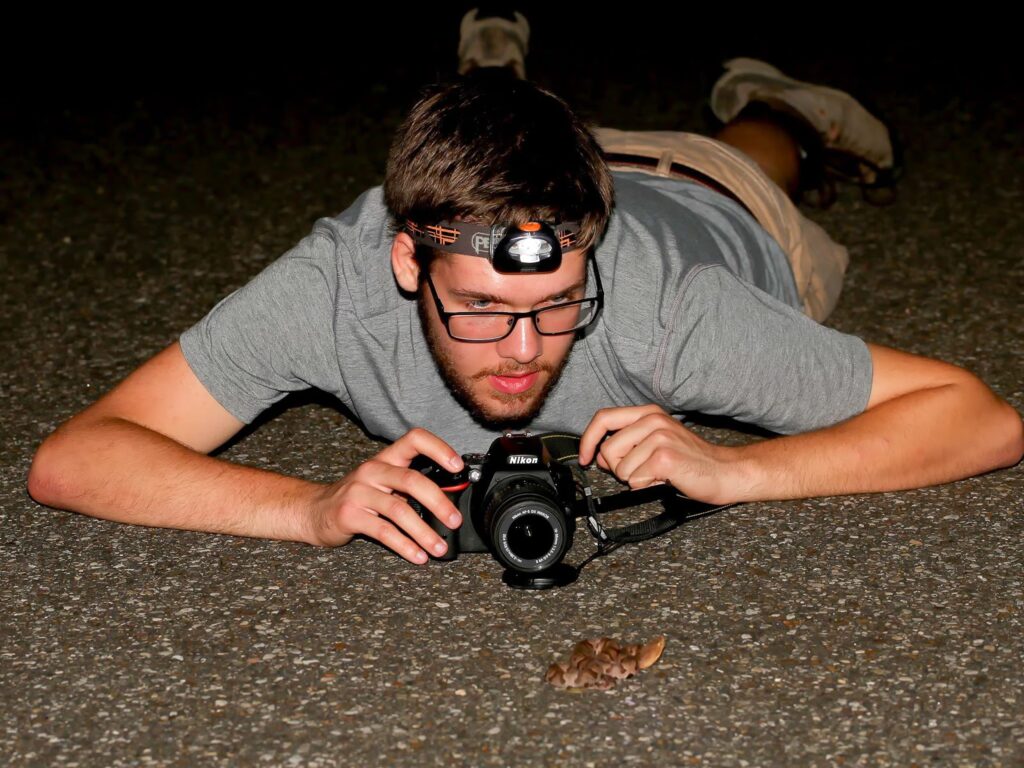
Ryan describes his interest in conservation as innate rooted in childhood hikes, bike rides and early fascination with wildlife personalities like Steve Irwin and Jeff Corwin. But while his passion was natural, the scholarship provided something equally powerful: affirmation and opportunity.
“The League didn’t create my passion—it clarified it,” Ryan reflects. “They invested in me. They encouraged me. They offered tangible support through a scholarship.”
The financial support allowed him to pursue research opportunities and deepen his work in photography and science communication. It also reinforced that conservation storytelling could be a viable and meaningful career path. Today, Ryan is a Ph.D. candidate at Washington State University, where his work integrates conservation research with visual storytelling—bridging data, imagery and public engagement.
Nature, Technology, and a Passion for Wildlife
Ryan speaks enthusiastically about data and statistics with the same energy he brings to the natural world. For him, conservation science is not separate from storytelling, it is enhanced by it.
He highlights the importance of sustainable engagement with nature and believes technology plays a critical role in connecting people to wildlife. Whether through photography, published research or digital platforms, he sees science communication as essential to modern conservation.
His photography has appeared in respected publications, including Nature, National Wildlife Federation magazines, and BBC Wildlife Magazine. Through these platforms, he brings conservation science to audiences far beyond the field site.
“Conservation is not just about data,” Ryan says. “It’s about connection.”
Volunteer Experiences and the Path to Research
Ryan’s journey was shaped not only by scholarships but by hands-on volunteer experiences.
In high school, he volunteered working with snakes and assisting in animal care—early experiences that sparked his curiosity about research. He later volunteered at Cleveland Metroparks, where interacting with both animals and the public helped him grow more confident and socially engaged.
These experiences led to research opportunities at Ohio University, where he worked with a Ph.D. student studying amphibian road mortality. Witnessing the impact of roadways on wildlife—and the implementation of solutions like amphibian underpasses—solidified his commitment to conservation science.
A Conservation Science Career in Motion
Ryan’s academic path became increasingly focused on understanding human-wildlife interactions and developing science-based solutions. Seeing real-world conservation challenges—such as wildlife mortality on roads—and the practical infrastructure designed to reduce those impacts inspired his research direction.
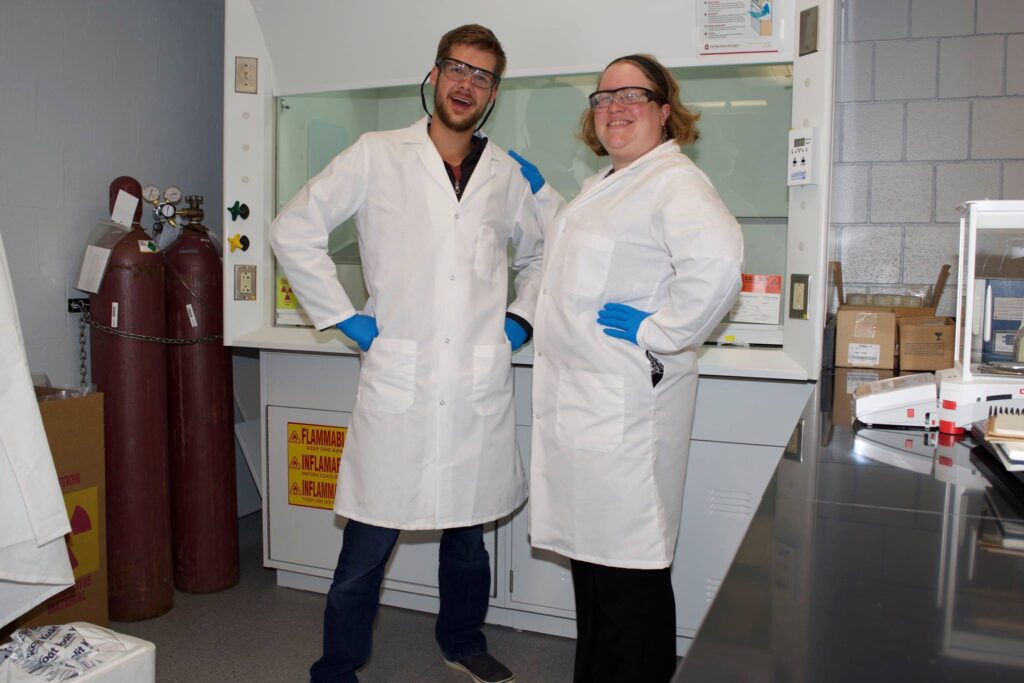
He emphasizes that scholarships and mentorship are critical in shaping the next generation of conservation scientists.
“Scholarships and organizational support make a career in conservation possible. They are an investment not just in a student, but in the future of our environment.”
Ryan encourages students to actively pursue research opportunities, ask questions, and volunteer—even when positions are unpaid initially. Many of his early volunteer roles eventually led to paid research opportunities and long-term career development.
“Your greatest skill can simply be passion,” Ryan says. “Drive and dedication will get you far, and with the right mentors and opportunities, amazing experiences will follow.
The Power of Investment
Ryan’s story highlights how scholarships do more than cover tuition—they communicate belief and nurture potential. Support from the Izaak Walton League helped transform a teenage passion project into a professional trajectory grounded in science, storytelling, and stewardship.
“When established organizations provide opportunities to young people who are passionate but underfunded, that’s how another generation of conservationists is made,” he says.
Through mentorship, he now guides students in fieldwork, lab techniques, and research presentations, helping them gain confidence and hands-on experience, just as others once did for him.
Supporting Future Conservationists
Ryan emphasizes that scholarships, mentorship and early experiences are crucial for cultivating the next generation of conservation leaders. He encourages support for organizations like the Izaak Walton League, noting that even small contributions can have lasting impact.
Lessons from Ryan Wagner’s Journey
Ryan’s story illustrates how early passion, community support, and mentorship can transform childhood curiosity into a meaningful career. For young conservationists:
- Volunteer early and seek out research opportunities
- Be proactive, ask questions, offer help, and show enthusiasm
- Value hands-on experience alongside academics
- Pursue mentorship and guidance from those in the field
Through dedication, mentorship and the generosity of organizations, young conservationists can turn passion into action—creating a lasting impact on both people and the natural world.
Additional Information:
- Ryan Wagner’s Publications and Photography Awards
- Izaak Walton League of America National Conservation Scholarship
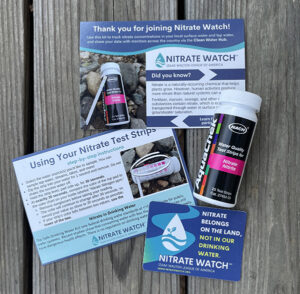 Your kit will include a bottle containing 25 nitrate test strips which you can use to test your water source(s) throughout the year. You’ll also receive postcards explaining how to use your nitrate test strips and how to share your Nitrate Watch results on the Clean Water Hub.
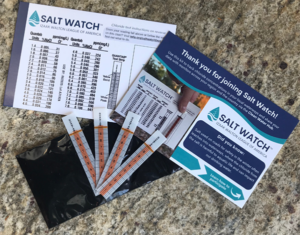 Your kit will include four test strips so you can test your waterway throughout the season. You’ll also receive a chart to help you interpret your results and a postcard with instructions for completing a Salt Watch test and reporting your findings.