Data Centers: Impact and What You Can Do in Your Community
Data centers are emerging rapidly across the country, and decisions about where they are built often rest with local governments. City councils, county boards, and planning commissions handle zoning and permits, while state legislatures increasingly influence the process by passing laws that limit local authority or redirect tax revenue away from communities. Staying informed about local hearings and state-level legislation is essential for anyone who wants a voice in how these facilities shape their region’s future.
The environmental impacts of data centers are substantial. They consume enormous amounts of electricity—projected to reach 12% of total U.S. demand by 2030—and their energy use can increase air pollution, require new power infrastructure, and slow the clean energy transition. Water use is equally concerning: many centers require millions of gallons per day, straining drinking water supplies, agriculture, and ecosystems. In addition, about 20% of cooling water becomes wastewater that may carry heat or chemicals, burdening local treatment plants and potentially harming rivers and streams. Construction of these massive facilities can also clear farmland, forests, and wetlands, disrupting wildlife habitat and altering landscapes.
Even without technical expertise, community members can meaningfully influence these decisions. Asking straightforward questions—about energy needs, water sourcing, wastewater treatment, and habitat impacts—can prompt officials to slow down and more thoroughly assess long-term costs and risks. With data center expansion likely to continue, informed and engaged residents play a crucial role in ensuring that development protects natural resources, safeguards public infrastructure, and keeps community needs at the forefront.
Data Centers: Understanding the Impact and Taking Action Locally
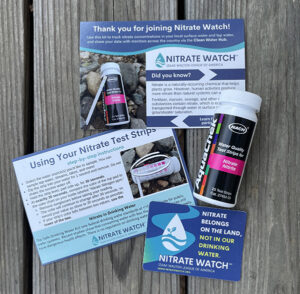 Your kit will include a bottle containing 25 nitrate test strips which you can use to test your water source(s) throughout the year. You’ll also receive postcards explaining how to use your nitrate test strips and how to share your Nitrate Watch results on the Clean Water Hub.
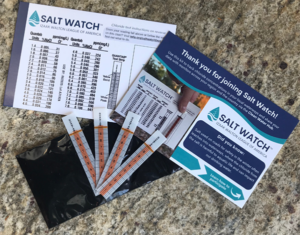 Your kit will include four test strips so you can test your waterway throughout the season. You’ll also receive a chart to help you interpret your results and a postcard with instructions for completing a Salt Watch test and reporting your findings.