Conservation in Action: How Ikes Are Bringing Our Message to Congress
Advocating for conservation of natural resources spurred the Izaak Walton League’s establishment in 1922 when our founders became alarmed by the toll development and pollution were taking on places they hunted and fished. More than 100 years later, Ikes across the country continue that legacy, defending our nation’s soil, air, woods, water and wildlife.
This fall, multiple chapters and divisions of the League hosted Congressional staff—and in one instance, a member of Congress himself—to discuss conservation and share the League’s mission.
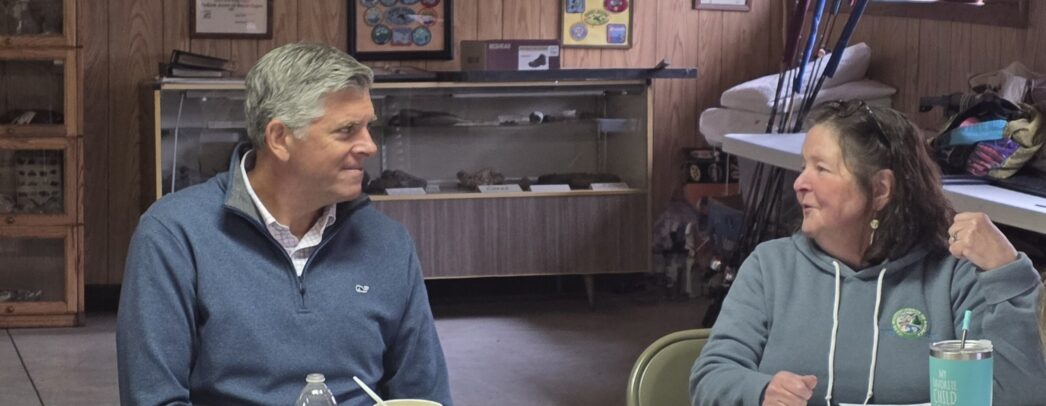
On October 28, the Illinois Division hosted Representative Darin LaHood, representing Illinois’ 16th Congressional District, at the Giant Goose Conservation Area in Atkinson.
The Congressman sat down with leaders to discuss the history of the League and the property, exciting opportunities for community engagement at the Giant Goose, and the future of clean water and healthy soil in the Farm Bill and beyond. An avid fisherman, Representative LaHood enjoyed a short tour and the scenic views of the property.
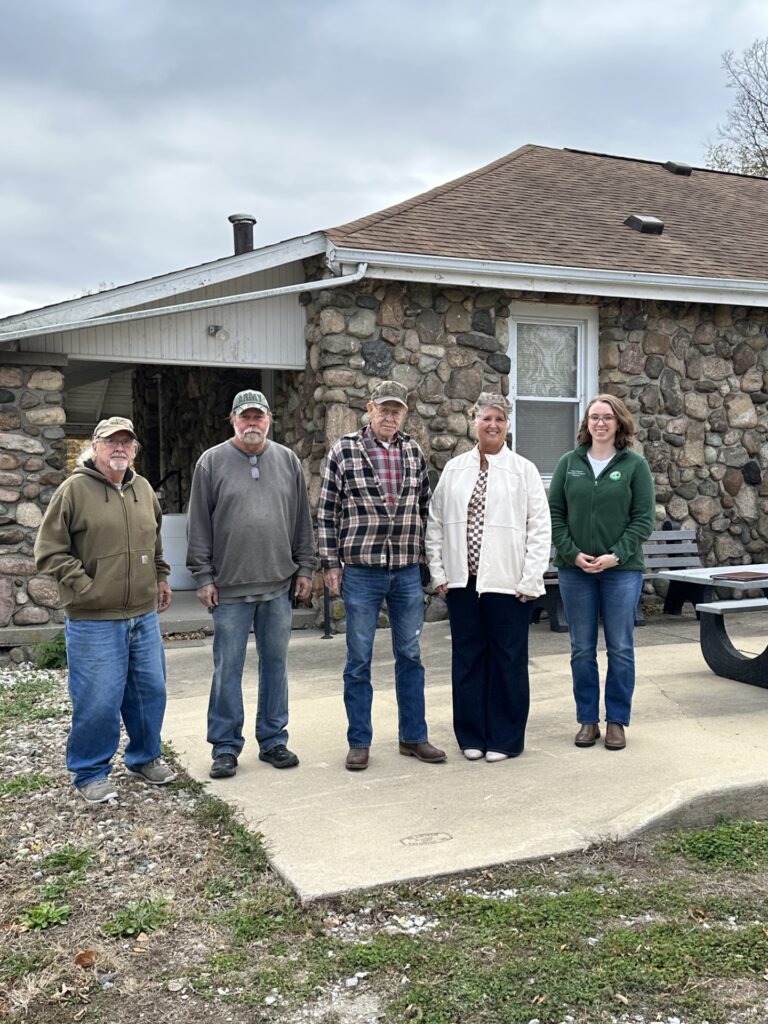
The same day, Ikes in Indiana also advocated for conservation. Leaders from the Cass County chapter hosted staff from Representative Jim Baird’s office. The group had a productive discussion about the League’s conservation priorities, the upcoming Farm Bill, and the rich history of the chapter—founded in the 1930s and once home to a fish hatchery.
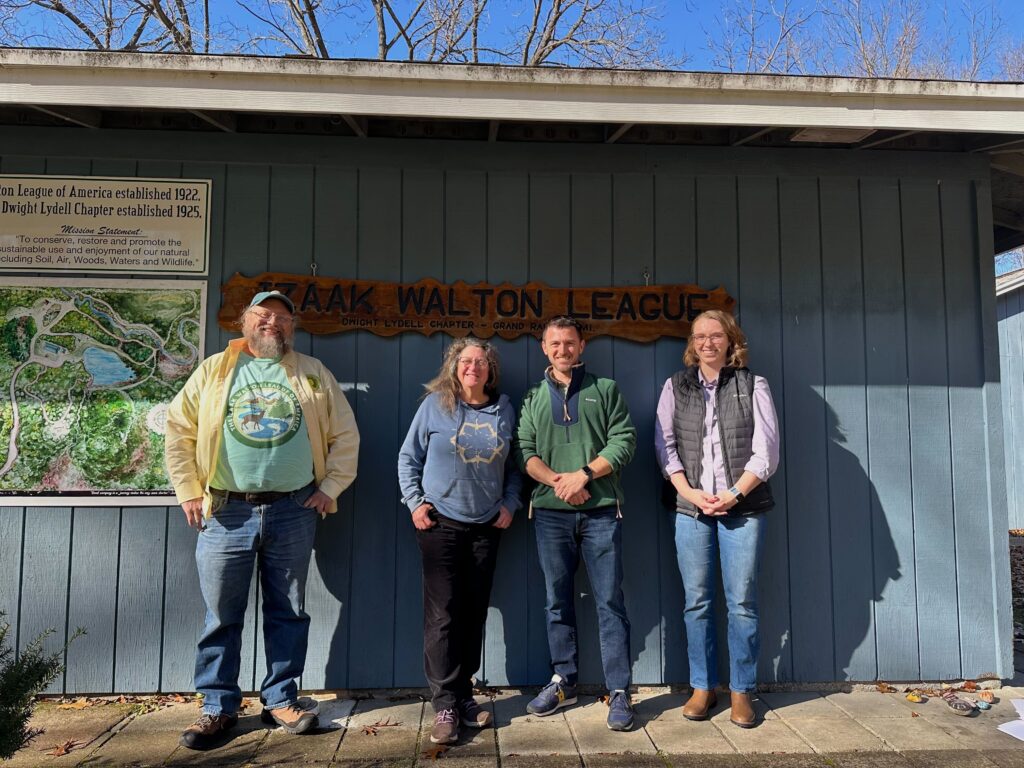
Shortly after, on Nov. 13, a staff member from Senator Elissa Slotkin’s office visited the Izaak Walton League’s Dwight Lydell Chapter near Grand Rapids, Michigan.
The meeting highlighted the chapter’s strong commitment to community-based conservation, its vibrant local programs and events, and the many ways the League is working to protect our natural resources in Michigan.
The term “advocacy” often gets misconstrued as just phone calls and letters to elected representatives, and while it certainly can be those actions, there are endless other ways for League members to advocate on the national level, on the state level, at the chapter level and at the personal level.
If you or your chapter are interested in getting involved with advocacy, here are a few ideas to start:
- Bringing awareness to an issue and making a suggestion for a solution is a great first step in advocating for change. Writing a letter to your local paper about the need for more pollinator gardens or less salt on the roadways in your community can make a big impact in bringing light to an issue others may not have known was something they should be thinking about.
- Building partnerships is an integral part of working toward solutions. These partnerships may come from like-minded individuals, volunteers, fellow Ikes, other chapters or other organizations. Your elected officials should always be a part of your partnership plan.
- Finding solutions can often feel daunting. Getting people on the same page about any issue can be difficult, but finding solutions doesn’t have to be. When planning to make suggestions for solutions, bring as much knowledge and input to the table as possible. Often, your solution can be a starting point for deeper thought about the issue and a springboard for creativity.
- Highlighting the positives goes hand-in-hand with bringing awareness. Shouting out kudos when they are due not only brings awareness to the original issue but shows that solutions are possible. A phone call, a letter, or a post on your social media to promote the positive is another advocacy step.
Starting to get some ideas? We’re here to help. For support or guidance on advocacy actions you can do at your chapter, contact the League’s Grassroots Advocacy Manager, Jess Gordon: jgordon@iwla.org

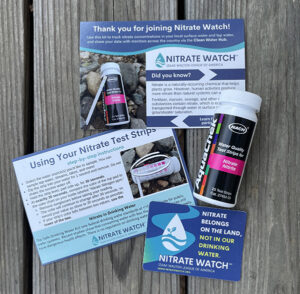 Your kit will include a bottle containing 25 nitrate test strips which you can use to test your water source(s) throughout the year. You’ll also receive postcards explaining how to use your nitrate test strips and how to share your Nitrate Watch results on the Clean Water Hub.
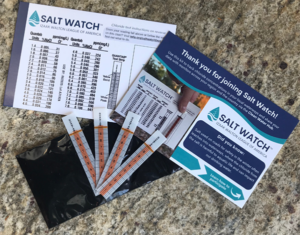 Your kit will include four test strips so you can test your waterway throughout the season. You’ll also receive a chart to help you interpret your results and a postcard with instructions for completing a Salt Watch test and reporting your findings.