All the Salt that Remains: The Lasting Danger of Road Salt to Our Waterways
By: Abby Hileman, Salt Watch Coordinator
Winter may come and go, but the impact of road salt lingers long after the snow melts—seeping into our soil, groundwater, and waterways where it can harm ecosystems for years. That’s why vigilance during (and even after) the winter months matters. In Loudoun County, Virginia, dedicated community members took action when it counted—removing salt before it could wash into storm drains and threaten sensitive wildlife. Their efforts are a powerful reminder: protecting our waterways starts with what we do in the moment, especially during winter.
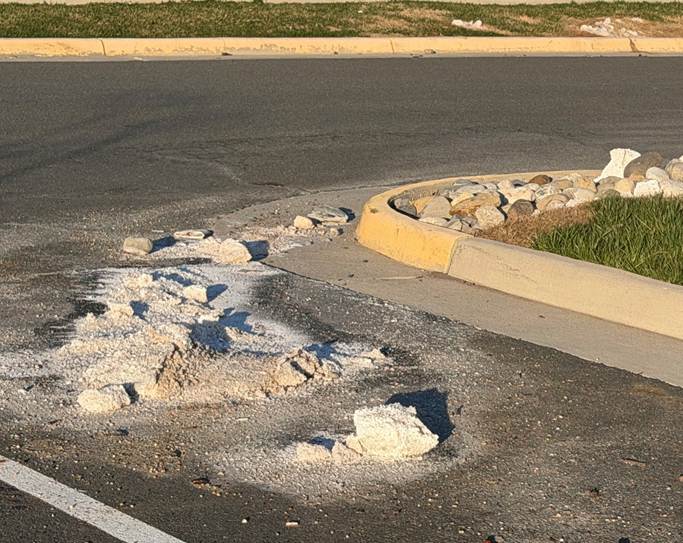
A Sprinkle of Gas Station Deja Vu
It started with a tip to Amy Ulland, the Stream Monitoring Coordinator for the Loudoun Wildlife Conservancy (LWC). A massive salt spill was sitting at a local gas station, waiting for the next rain to wash it into the storm drains (this was reminiscent of the “Salty Intervention” in 2025).
New Salt Watcher, Kaimy Oehlberg, stepped up to investigate. While the station manager claimed the cleanup was the landscaping crew’s job, they promised their own employees would handle it before the evening rain.
When Kaimy returned later to check on the progress, she found the job half-done. With clouds rolling in, Kaimy knew there was no time to lose and began cleaning up the salt herself.
Dinner-Time Rescue
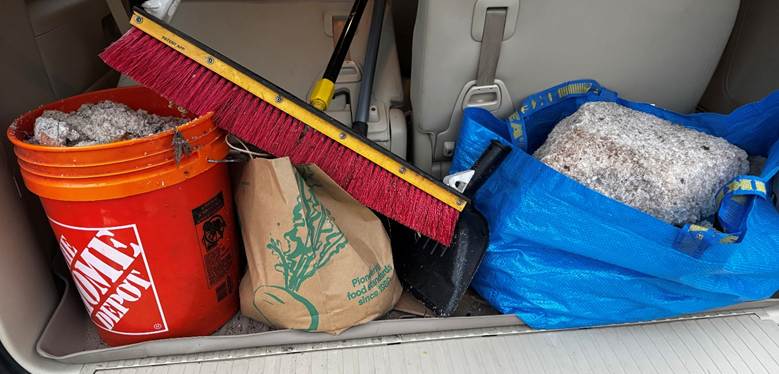
As the rain began to fall, Kaimy needed more supplies and assistance to get the job done. Kaimy reached out to the network, and fellow Salt Watcher Bruce Adams dropped his dinner plans to help. Working together in the rain, they managed to fill five large trash bags with salt that would have otherwise ended up in local streams.
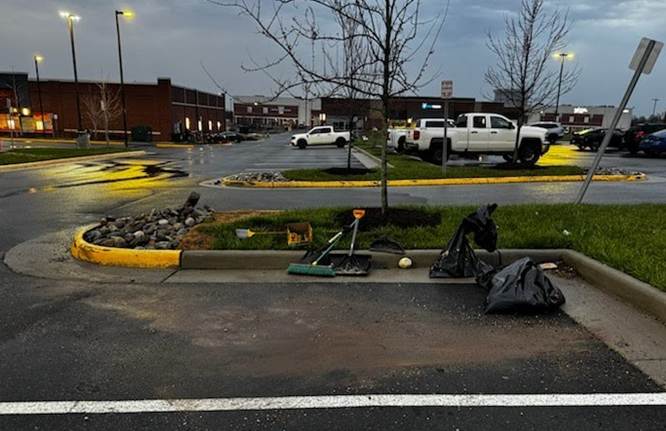
A “Ribbit-ing” Call to Action
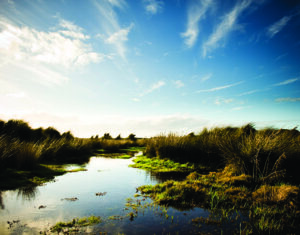
This wasn’t Kaimy’s first save of the month. Earlier, she had done a cleanup in her own neighborhood after noticing chunks of salt left behind after the snowmelt. Why the urgency? Her local storm drains lead directly to vernal pools in a nearby park—breeding grounds for amphibians like wood frogs and spotted salamanders.
Amphibians are incredibly sensitive to salt. Having just migrated to lay thousands of eggs, these frogs and salamanders were one rainstorm away from a toxic environment. Thanks to Kaimy’s quick action, those eggs—and the future of the local species—stayed safe.
The takeaway? Salt doesn’t disappear on its own. It takes a community to keep our waters fresh and our wildlife thriving.
“We often think of conservation as saving some far-flung ‘pristine’ wilderness,” Kaimy notes, “but water connects us all, and what happens in our own backyards matters.” This local-first mindset is why she’s a proud member of the LWC network. Raising awareness about road salt pollution and documenting its impact on our local streams are essential first steps to track down and stop pollution at the source.
Loudoun Wildlife Conservancy’s Salt Watch program is a community of over 100 volunteers at over 80 sites around Loudoun County, Virginia. This large network of dedicated volunteers is what allows LWC to mobilize so effectively for efforts like this cleanup.
Become a Salt Watcher!
Salt doesn’t disappear on its own—it takes a community to keep our waters fresh. If you want to help protect local wildlife and monitor your neighborhood streams, here is how you can join the Salt Watch network:
- Request a Free Kit: Order a free Salt Watch test kit from the Izaak Walton League to start monitoring chloride levels in your own backyard.
- Report Spills: If you come across a salt spill or oversalting, report it! You can report illegal spills, dumping, and local emergencies related to the storm drain system to your local department of environmental protection, stormwater division, or county conservation office. Make sure to document the date, time, and location the incident occurred.
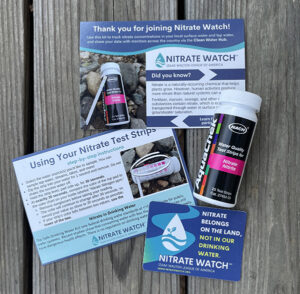 Your kit will include a bottle containing 25 nitrate test strips which you can use to test your water source(s) throughout the year. You’ll also receive postcards explaining how to use your nitrate test strips and how to share your Nitrate Watch results on the Clean Water Hub.
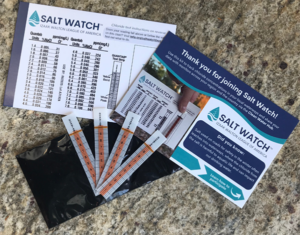 Your kit will include four test strips so you can test your waterway throughout the season. You’ll also receive a chart to help you interpret your results and a postcard with instructions for completing a Salt Watch test and reporting your findings.